
Eastern Europe & Central Asia
Eastern Europe is a region shaped by resilience, where imperial facades, communist blocks, and modern glass towers coexist, reflecting a past that still influences daily life. Society balances tradition with rapid change, navigating political skepticism, economic transition, and European integration. Living conditions vary between vibrant capitals and modest provincial towns, where hard work, education, and family networks remain central. Pragmatic, resourceful, and quietly ambitious, the region moves between memory and progress with persistent strength.
- Countries
- People
- 291.4 m
Timeline
How the present came about
The events that shaped the current situation.
World War I and the February Revolution
1917
World War I had a devastating impact on Russia resulting in food scarcity and high inflation, as prices in 1917 increased up to four times what they had been in 1914. Heavy losses during the war also strengthened the view that Tsar Nicholas II was unfit to rule.
At the beginning of February 1917, Petrograd workers organised several demonstrations and strikes. A series of meetings and rallies were held for International Women’s Day, while demonstrations were organised to demand bread. By March 10, most industrial enterprises in Petrograd had been shut down along with many commercial and service enterprises. On March 11, when the Tsar ordered the army to suppress the rioting by force, troops began to mutiny. Having lost the support of the army and under the advice of his army chiefs and ministers, the Tsar abdicated the throne. His brother’s decision to decline the throne on 16 March brought three centuries of Romanov rule to an end.
February Revolution's impact on East Europe and Central Asia
1917–1918
The influence of the Russian Revolution on the countries in East Central Europe differed considerably depending on the military situation in the area. In Estonia and parts of Latvian territory behind the Russian front line, the Bolsheviks used the principle of self-determination as a pretext to seize power. The Bolshevik era in these countries came to an end with the German invasion in February 1918. In Poland and Lithuania, some of the population supported revolutionary ideas. Under occupation, however, these countries were isolated from the direct impact of the revolution.
Central Asia was integrated into the Soviet Union system after the Russian Revolution of 1917. This was achieved through planned economies and the imposition of communist ideologies. Traditional values and cultures were suppressed, while advancements were made in welfare, healthcare and education.
October Revolution
1917
The October Revolution, commonly referred to as Red October or the Bolshevik Revolution, overthrew the provisional government and gave power to the local soviets. After the Congress of Soviets, now the governing body, had its second session, it elected members of the Bolsheviks and other leftist groups, such as the Left Socialist Revolutionaries, to key positions. This led to the establishment of the Russian Socialist Federative Soviet Republic, the world’s first self-proclaimed socialist state.
Russian Civil War
1917–1922
The Russian Civil War erupted after the October Revolution, as anti-Bolsheviks, or the White Movement, opposed Bolshevik policies such as redistributing land to peasants and abolishing the monarchy. The Whites, consisting of a range of groups, such as military officers and liberals, were supported by foreign powers, including the United States, Britain and France, who feared the spread of communism. The Whites also received support from other groups, such as the Czech Legion.
Another source of opposition was the different nationalist movements, including those in Ukraine, the Baltic and Cossack-dominated regions, who wished to govern themselves. The Bolsheviks and the Red Army won the civil war because of their numerically superior armed forces, while the White armies were far from unified and had access to only poor transport networks. During the conflict, the Bolsheviks reconquered the Province of Turkestan and the khanates of Khiva and Bukhara. At least 5 million civilians and 800,000 soldiers died in the Russian Civil War. The civil war also had a serious impact on the general standard of living and the country's infrastructure. The Bolshevik victory led to the establishment of the Union of Soviet Socialist Republics (USSR) or confederation of Russia, Belorussia, Ukraine and Transcaucasia on December 30, 1922.
Creation of Soviet Socialist Republics in Central Asia
1924–1929
To prevent unification against Moscow, the Soviets created five Soviet Socialist Republics in Central Asia: Kazakh S.S.R., Kirgiz S.S.R., Tajik S.S.R., Turkmen S.S.R., and Uzbek S.S.R. These artificial boundaries disregarded ethnic and cultural patterns, leading to future conflicts.
The Soviets abolished the identities as ‘Turk’ and ‘Sart’ and made a decision that many Turko-Mongol tribes of Central Asia would be known as Uzbeks. The decision to carve up the region among its majority ethnic groups destroyed traditional regional entities and caused many ethnicities and tribes to lose their own heritage culture and language.
Collectivisation policy
1929–1933
The Soviet collectivisation policy, pursued most intensively between 1929 and 1933, aimed to transform traditional agriculture in the Soviet Union. As a result of collectivisation, the peasantry were forced to give up their individual farms and join large collective farms. In 1929-30, the ”rich peasants”, labelled “kulaks”, became the target of the Stalinist regime. Stalin justified his attack due to the “threat” that they posed to the survival of the Soviet regime, which was supposedly being strangled by the kulaks’ deliberate refusal to sell their grain.
The collectivisation or “dekulakisation” campaign supported a double objective. Firstly, it would remove all elements prone to actively oppose forced collectivisation, and secondly, it would “colonise” vast inhospitable regions of the Russian North, Kazakhstan, Siberia and the Urals, through the resettlement of entire “kulak” families.
Soviet Famines
1931–1933
The Soviet famines of 1931-1933, which struck many regions of the USSR (especially, Kazakhstan, Ukraine and regions of the Volga), were a direct consequence of forced collectivisation campaigns, implemented by the Stalinist regime in 1930. This policy of collectivisation involved the forced collection of grain and livestock and coincided with the campaign to rapidly industrialise the Soviet Union.
In two years, from the summer of 1931 to the summer of 1933, 4 million died from hunger in Ukraine, nearly 1.5 million in Kazakhstan and almost as many in Russia, mainly in Volga and Kuban. By the end of the collectivisation process, two-thirds of the Kazakh survivors of the famine were sedentarised due to the 80% reduction of their herds, the post-famine environment and the resettlement program undertaken by Soviet authorities. The measures taken during the Ukrainian famine or Holodomor included the confiscation of seeds and food supplies, as well as blockades of starving villages to prevent peasants from fleeing to the cities.
Nazi-Soviet Nonaggression Pact
1939
The Nazi-Soviet Nonaggression Pact, also known as the Molotov-Ribbentrop Pact, was signed on August 23, 1939, just before the onset of World War II. The pact had two primary components: a public non-aggression agreement and a secret protocol. Under the terms of this secret protocol, Poland was partitioned between the Soviet Union and Germany. The Soviet Union took control of eastern Poland, while Germany was granted western Poland.
Additionally, the Baltic States, Lithuania, Latvia and Estonia, were assigned to the Soviet sphere of influence, along with Finland and parts of Romania. This arrangement effectively granted the Soviet Union the right to occupy these territories without German interference. The impact of the Nazi-Soviet Pact was profound. On September 1, 1939, Germany invaded Poland from the west, and on September 17, the Soviet Union invaded from the east. This coordinated aggression led to the rapid defeat of Poland, marking the outbreak of World War II.
Mass deportations
1939–1944
Following the Red Army’s invasion of Poland on September 17 1939, it annexed territories in the eastern parts of the country. About 250,000 Poles and thousands of Byelorussians and Ukrainians were deported in three major waves to Siberia and to Central and Far Eastern Asia. These forced expulsions mainly targeted prisoners-of-war and families of military colonists. In the aftermath of the Baltic States’ conquest in June 1941, almost 40,000 people from countries like Latvia, Lithuania and Estonia were deported to the Soviet Far East.
In the Soviet Union during the Second World War, non-Russian minorities from Crimea, the Volga and the Caucasus were collectively deported. These large-scale successive deportations took place from November 1943 to July 1944, affecting over two million people, including Muslim groups like the Chechens, Balkars and Crimean Tatars. After being deported to places like Kazakhstan, Central Asia and Siberia, non-Russian minorities were subjected to “special colony” status, a “quasi-prison-camp” system that stripped individuals of their rights and served as forced labour for industry and agriculture.
Soviets take control of Eastern Europe
1943–1948
The Soviet takeover of Eastern Europe between 1943 and 1948 was rooted in the Soviet leadership’s desire to ensure economic recovery after World War II and establish a buffer zone against potential invasions. The Soviets sought to annex territories such as Estonia, Latvia, Lithuania and parts of Poland, while also aiming to install friendly, pro-Soviet governments in countries like Hungary, Romania and Bulgaria. The process involved isolating local opposition and securing Western acquiescence to their territorial claims, often through political manipulation and violent purges.
Agreements made at the Tehran, Yalta, and Potsdam Conferences formalised Soviet control over Eastern Europe. Following the war, the Soviets established authoritarian regimes based on Stalinist principles, leading to the implementation of state-controlled economies, the suppression of political dissent and the persecution of religious institutions. The Communist takeovers throughout Eastern Europe had a profound impact, resulting in displacement and forcing millions of farmers into state-controlled collective farms.
Ukrainian Famine
1946–1947
In the aftermath of the Second World War, many of the inhabitants of central and eastern Ukraine experienced hunger. The immediate cause of this famine was the failure of the 1946 harvest, due to a drought that exacerbated the general wartime collapse of agriculture. Compulsory procurements of grain and other foodstuffs from the collective farms were raised, while authorities threatened local officials with sabotage or hoarding if they failed to meet their quotas. The result was about 1 to 1.5 million deaths from starvation or disease.
The famine did not occur in newly annexed Western Ukraine because the collective-farm system had not yet been introduced there and the resistance of the Ukrainian Insurgent Army made food procurement difficult. Many peasants travelled there from eastern and central Ukraine to beg for bread, and in the summer of 1946, trains heading west were crammed with starving people. The authorities tried to stop the exodus by forbidding western Ukrainian peasants from selling food to newcomers and by spreading rumours of epidemics and poisoned food in the western oblasts or administrative regions.
The Virgin Lands Campaign in Kazakhstan
1954–1964
To address food shortages and boost grain production in the 1950s, the USSR embarked on a major agricultural project to develop vast areas of previously uncultivated land in northern Kazakhstan and parts of Siberia: the Virgin and Idle Lands project. Launched in 1954 under the leadership of Nikita Khrushchev, this campaign had two principal motivations, to enhance national food security and to assert Soviet dominance in agricultural production during the Cold War.
Despite initial successes in terms of production output, the long-term impact of this campaign on Kazakhstan’s agricultural sector was often contradictory. Early reports indicated an increase in grain production, leading to improved food availability. However, by the early 1960s, the extensive land cultivation had resulted in biodiversity loss, soil degradation and challenges related to water management and climate variability.
Demonstrations and revolts
1956
In February 1956, the new Soviet leader, Khrushchev, made a speech denouncing many of Stalin’s crimes and human rights abuses. This speech had an impact in countries like Poland and Hungary, as people in the Eastern Bloc began to think that greater freedoms might be possible. On June 28 1956, workers at the Joseph Stalin Metal Works (ZISPO) factory in Poznań, Poland, went on strike. Over 100,000 took part in the demonstration, protesting the increase in work quotas and demanding an improvement in living conditions. The resulting crackdown resulted in 78 dead and over 400 wounded. 300 were arrested and brought to trial on charges of being “agents of the West”.
On October 23, 1956, university students in Budapest began protesting Soviet domination in solidarity with similar movements in Poland. Among sixteen demands, they called for free elections and the independence of trade unions. Between 29th October and 3rd November, a new Hungarian Government led by the Prime Minister Imre Nagy introduced democracy. The Hungarian hold on power was only short-lived as soviet troops and 1000 Russian tanks moved into Hungary, crushing the uprising and Hungarian army within six days. Mass arrests and executions followed the uprising, leading some 200,000 Hungarians to flee to Yugoslavia and Austria.
Expansion of cotton production
1960–1989
Following the Second World War, the Soviet Union’s desire for self-sufficiency in cotton led to the massive expansion of cotton production in Central Asia, mostly in Uzbekistan. Between 1960 and 1988, the area under cotton cultivation rose from 1.9 million hectares to 3.1 million hectares. After 1960, the land devoted to cotton production in Uzbekistan accounted for about 61% of the arable land. By the 1970s, Uzbekistan was producing more than two-thirds of all the Soviet cotton supply.
The Aral Sea was reduced to just 15% of its former volume between 1960 and 1989, as river waters were diverted for cotton irrigation. As a result, the Aral's fishing industry was decimated, forcing the closure of processing facilities in Moynaq, Uzbekistan and Aralsk, Kazakhstan. The expansion and maintenance of the region's cotton monoculture also had a disastrous impact on human populations, as low employment prospects were compounded by the adverse health effects associated with the concentration of toxic chemicals in the land, water, and food supply.
Soviet-Afghan War
1979–1989
The Soviets invaded Afghanistan in December 1979. Although the Afghanistan war was initially visualised by Soviet leaders as a small-scale intervention, it developed into a decade-long war involving almost one million Soviet soldiers. As public opposition to the war increased, it began to impact on the local Central Asian party bureaucratic functionaries. This development resulted in wide-scale political purges. Although the official media claimed that these purges were carried out in response to corruption, the local population often interpreted them as reflecting Moscow’s distrust of local party leadership.
Such a perception accentuated the alienation of the Central Asian republics and resulted in riots and civil unrest. In 1982, there were anti-war demonstrations in Tajikistan, which led to violence and arrests. In May 1985, there were anti-war demonstrations in Armenia. And, in June 1985, there were violent anti-war demonstrations in Astrakhan. The war also had an impact on the European Soviet republics. Anti-war protests started in the Baltics as early as 1982. Lithuanian and Ukrainian journals also depicted the war as unjust and reported anti-Russian demonstrations.
Glasnost, Perestroika and Revolutions
1986–1989
The Soviet economy in the mid-1980s faced significant challenges. Years of centralised controls had resulted in stagnation, while the Soviet economy struggled to compete with the military buildup in the United States, led by President Ronald Reagan. In response, the Soviet leader Mikhail Gorbachev made two proposals in 1986. The first, Glasnost or “openness” aimed to ease censorship controls and create new personal freedoms.
The second, Perestroika (restructuring), involved rebuilding the Soviet Union’s economic and political systems. Although the aim of perestroika was to make socialism work better for the people, it instead worsened the social, economic and political tensions within the Soviet Union. Some historians now believe that this led to the breakup of the Soviet Union in 1991 and to the outbreak of revolutions in many other Eastern European countries, including Romania, Czechoslovakia and East Germany.
Jeltoqsan protests
1986
On December 17, 1986, thousands of demonstrators, mainly young, ethnic Kazakhs, took to the streets of the capital of Soviet Kazakhstan, Alma-Ata (now Almaty). They protested against their perceived status as second-class citizens in their own country and also demanded a stake in the political process. Inspired by then-Soviet leader Mikhail Gorbachev’s slogans about perestroika (restructuring) and glasnost (openness), they condemned Moscow’s appointment of a new party leader for Kazakhstan, Gennadiy Kolbin, objecting on the grounds that he was an ethnic Russian from outside the republic.
Workers, mainly ethnic Russians, were brought from factories to confront the protestors, while security forces were also brought in from across the Soviet Union. For several days, unrest continued in the city, with some incidents fuelled by ethnic tensions. Some demonstrators received long prison sentences, while others were faced with political repression.
Fall of the Berlin Wall and end of the Soviet Union
1989–1991
The fall of the Berlin Wall on November 9, 1989, had economic and political repercussions, bringing down the so-called Iron Curtain that separated Western and Eastern Europe after the Second World War. Once the Berlin Wall fell, citizens in Eastern European countries such as Czechoslovakia, Romania and Bulgaria organised protests against their pro-Soviet governments, hastening the collapse of communist regimes across the former Soviet bloc. On 8 December 1991, the presidents of Ukraine, Belarus, and the Russian Federation signed the Belovezha Accords, creating the Commonwealth of Independent States (CIS). All of the former communist Eastern European officials were subsequently replaced by democratically elected governments. On 25 December 1991, Mikhail Gorbachev announced his resignation as Soviet President. The Soviet Union officially ceased to exist the following day.
After the dissolution of the Soviet Union, the five Soviet socialist republics in Central Asia, Kyrgyzstan, Uzbekistan, Tajikistan, Turkmenistan and Kazakhstan also obtained their independence. The fall of the Soviet Empire had far-reaching effects on the world as a whole. For some countries, like Kazakhstan and Azerbaijan oil and natural gas exports created prosperity but also enabled corruption. Countries such as Latvia and Lithuania underwent serious transformations as they adopted Western ideals and political viewpoints, while other countries, such as Tajikistan and Armenia struggled to flourish in the post-Soviet era.
Tajik Civil War
1992–1997
Independence was declared in Tajikistan in September 1991. However, tensions between pro-Communist forces and a coalition of opposition groups erupted into a civil war. Lasting from 1992 to 1997, this civil war caused significant political and economic upheaval. Most commentators estimate that about 50,000 lives were lost between May and December 1992. According to UNHCR, 600,000 people were internally displaced and at least 80,000 sought refuge outside the country, mainly in Afghanistan.
The peace agreement signed between the government and the opposition forces in June 1997 guaranteed the opposition 30% representation in state structures. The majority of the positions fell into the hands of the Islamic Renaissance Party (IRP), which was the dominant force in the anti-government coalition.
September 11 attacks
2001
Following the September 11 terrorist attacks on the United States, the former Bush Administration established bases and other military access in the region to support U.S.-led coalition operations in Afghanistan. The Obama Administration also highlighted U.S. interests in continued access as well as the long-term security and stability of the region. The 106th Congress authorised a “Silk Road” initiative for greater aid for democratisation, humanitarian needs, conflict resolution, border controls and transport infrastructure. The 108th and subsequent Congresses further imposed conditions on foreign assistance to Uzbekistan and Kazakhstan based on their human rights records.
EU Enlargement
2004
1 May 2004 was a historic milestone marking the unification of Europe after decades of division. On that day, eight post‐communist Central and Eastern European (CEE) countries joined the EU: four Visegrad (V4) countries (Slovakia, Poland, the Czech Republic and Hungary), three Baltic (B3) countries (Lithuania, Estonia and Latvia) and Slovenia. This was the biggest enlargement ever, integrating over 74 million citizens into the EU and shifting its external borders significantly eastward.
This enlargement brought significant trade and investment opportunities. Trade exchanges between pre-2004 EU countries and the 10 new countries have increased more than fivefold since 2000. The pace of growth increased further when the 10 newcomers joined the EU single market. This enlargement is generally perceived to have been successful, helping improve living standards in the former Eastern Bloc, whilst continuing the European peace project by expanding it to countries that were on either side of the Cold War only 13 years prior.
Euromaidan protests and annexation of Crimea
2013–2014
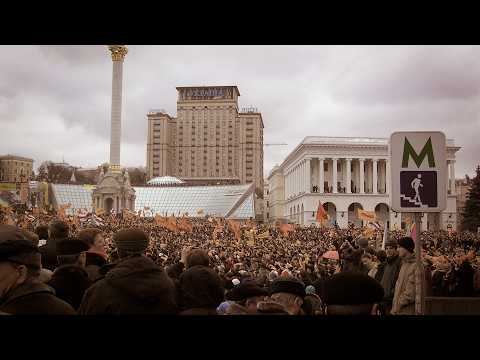
In November 2013, the Ukrainian Government of pro-Russian President Viktor Yanukovych announced that it would not sign a planned Association Agreement with the European Union. In response, protests broke out in Kyiv and persisted for two and a half months. The so-called Euromaidan demonstrations denounced the post-Soviet politics of corruption and nepotism. The government crackdown that followed the initial protests and the killing of civilians, mostly on February 20 and 21, 2014, led to the removal of Yanukovych from power.
Toward the end of February 2014, pro-Russian forces took control of the Crimean Peninsula, which has an ethnic Russian majority. The Crimean autonomous assembly was subsequently seized by pro-Russian forces. Numerous attempts at ceasefires and resolution, including the 2014 and 2015 peace agreements known as the Minsk Accords, failed to stop fighting in the Donbas, while many sanctions against Russia and pro-Russian elements in Crimea remained in place. The annexation of Crimea was also a turning point in Russia’s relations with Kazakhstan and Uzbekistan. In the case of the former, it confirmed Nur-Sultan’s fears that Moscow was prepared to use force to connect with its former Soviet republics. In the case of the latter, Uzbekistan issued a statement on March 25 respecting Ukraine’s territorial integrity, calling for respect for international law.
Sources
Unrest in Kazakhstan
2022
Protests erupted in Kazakhstan on 2 January 2022, resulting in at least 238 deaths, including 19 law-enforcement officers. Although initially sparked by a fuel price hike, the unrest points to deeper causes of discontent, including inequality, poverty, frustration at the lack of political change and rising living costs.
After January 2022, President Tokayev moved to stabilise the country and initiate a series of constitutional and political reforms. These reforms limited presidential terms, strengthened parliament and expanded the space for independent candidates. Decentralisation measures and expanded local elections also widened political participation. In parallel, an asset recovery campaign was launched to identify and recover assets linked to corruption among senior officials. Recovered funds were subsequently directed toward public projects such as hospitals and schools.
Russia-Ukraine War
2022–2026
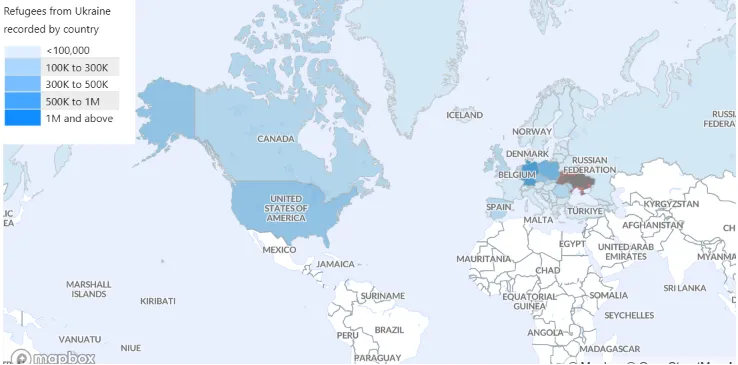
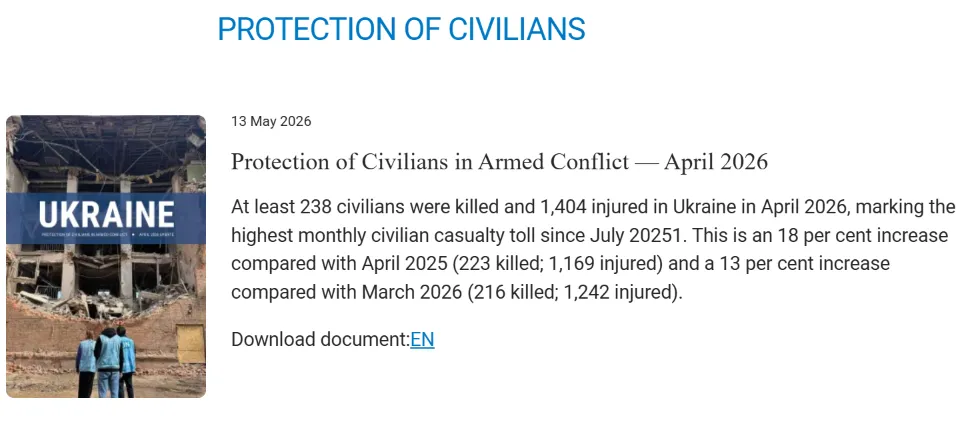
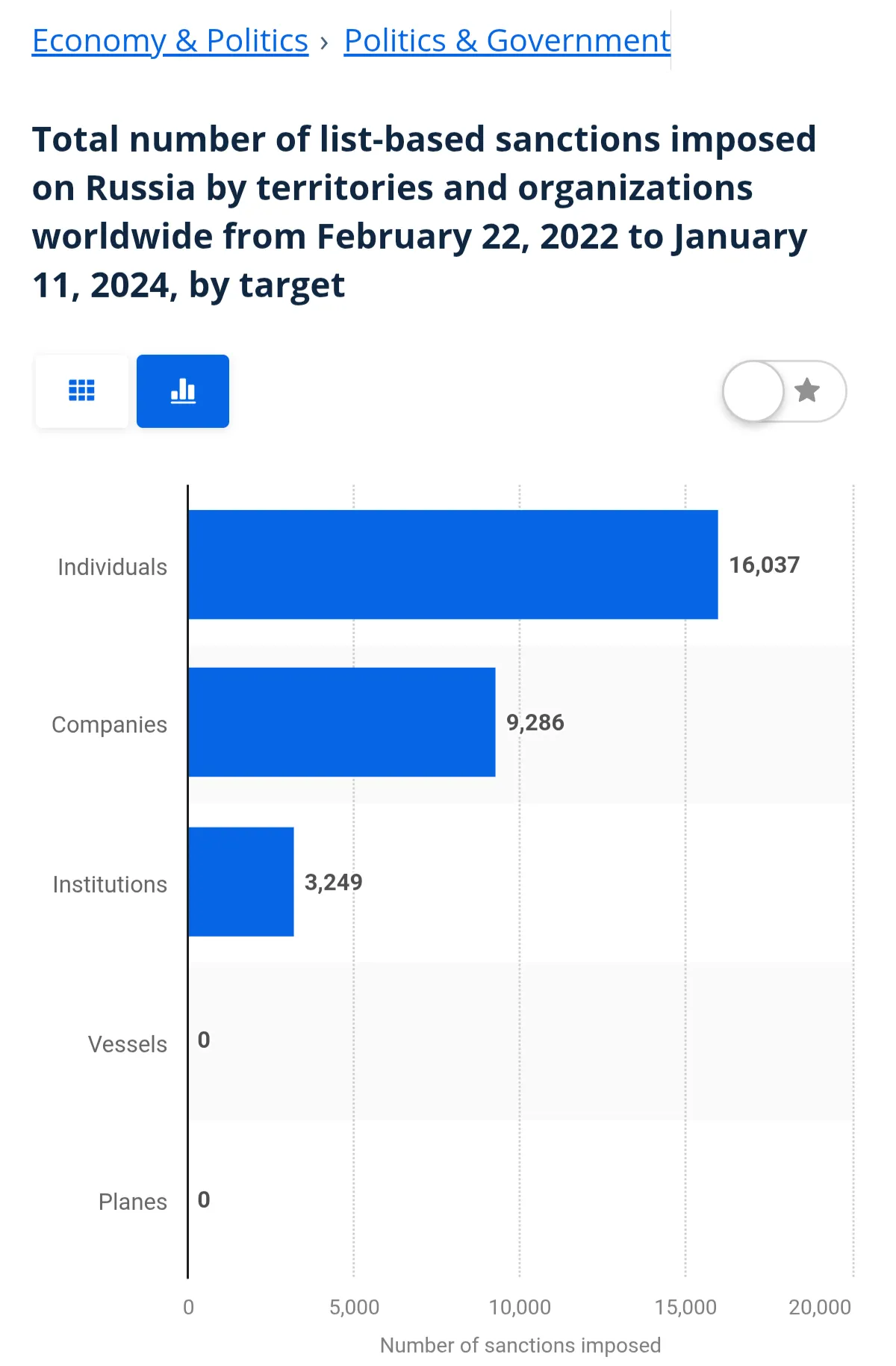
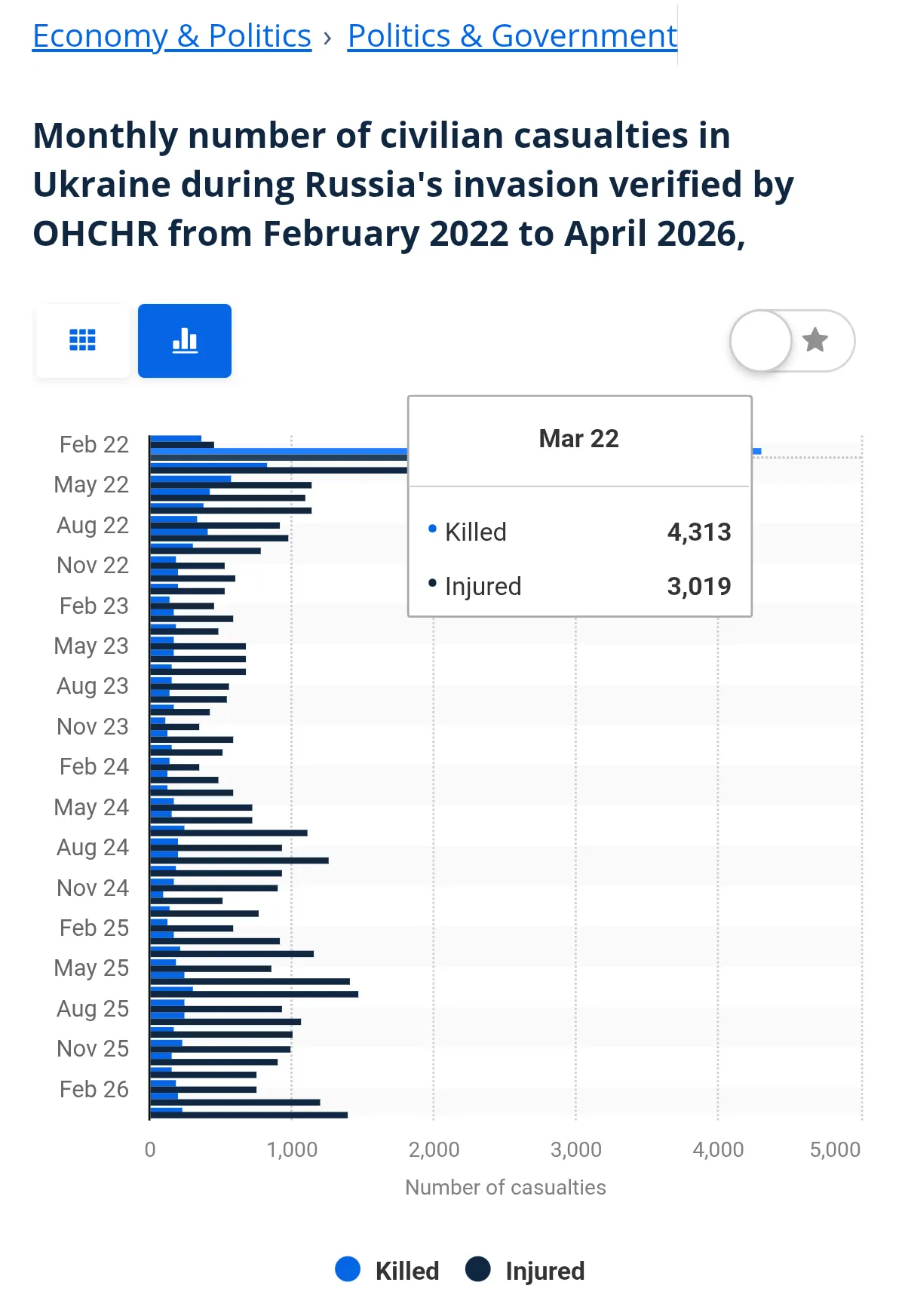
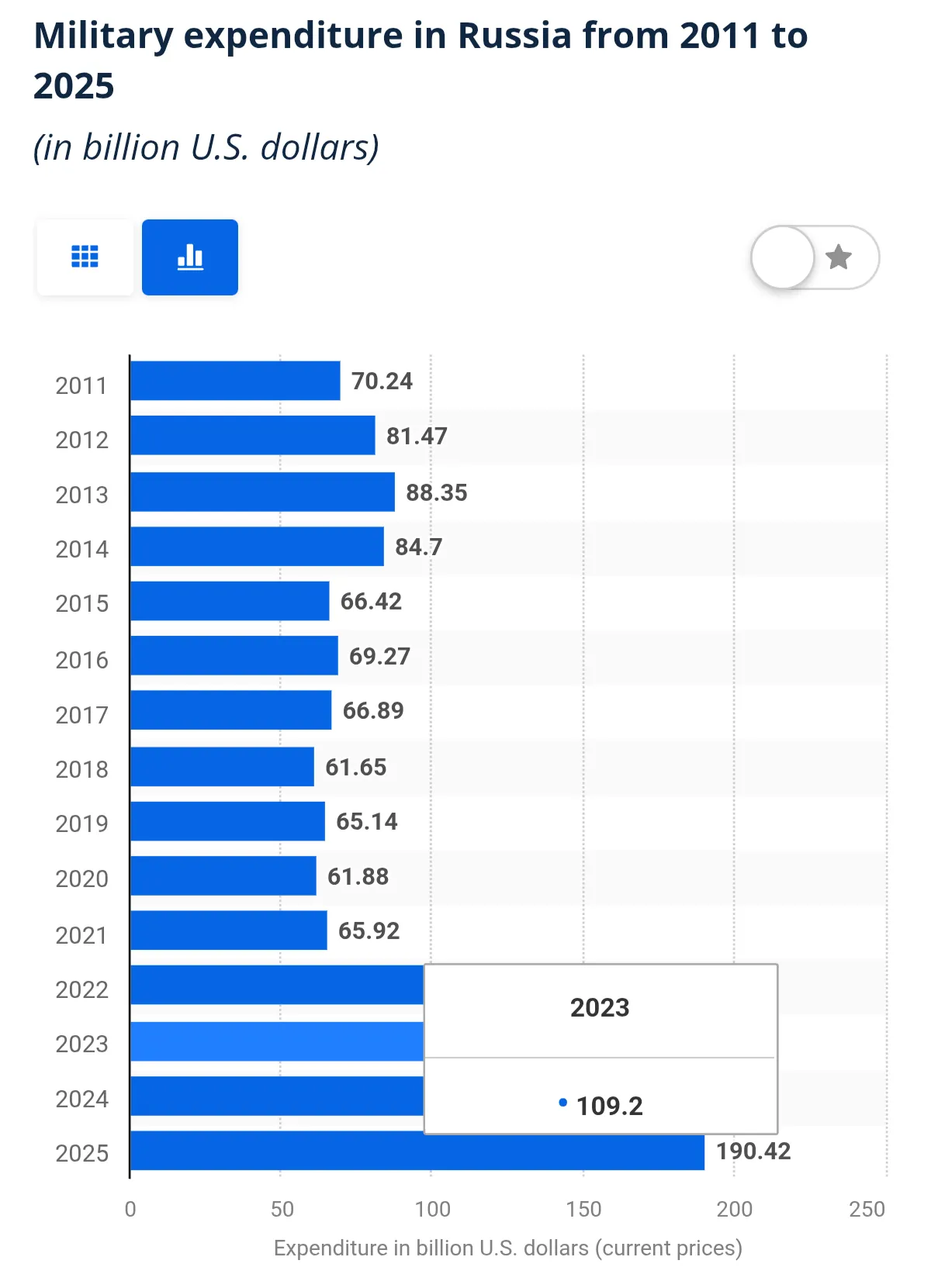
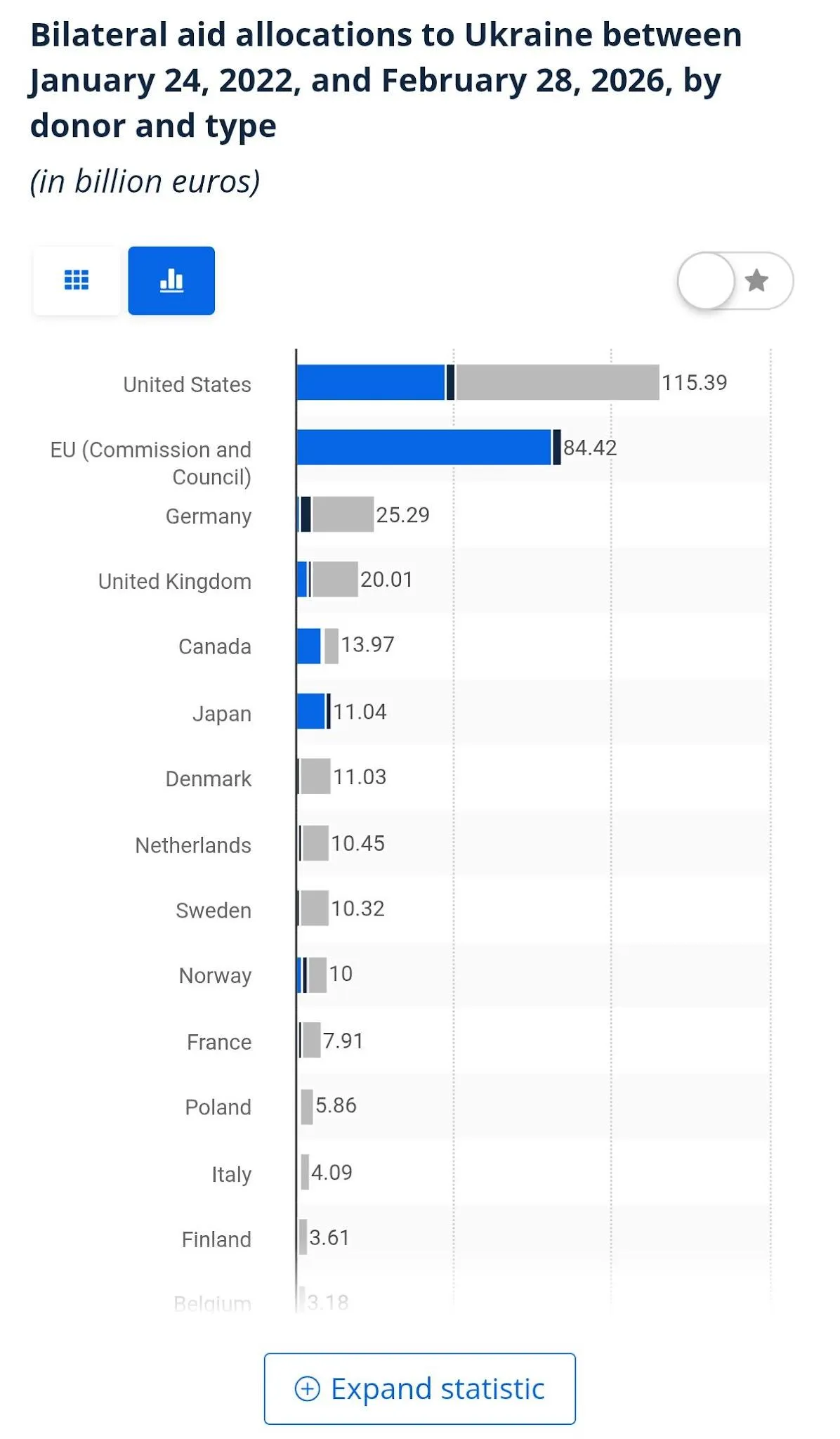
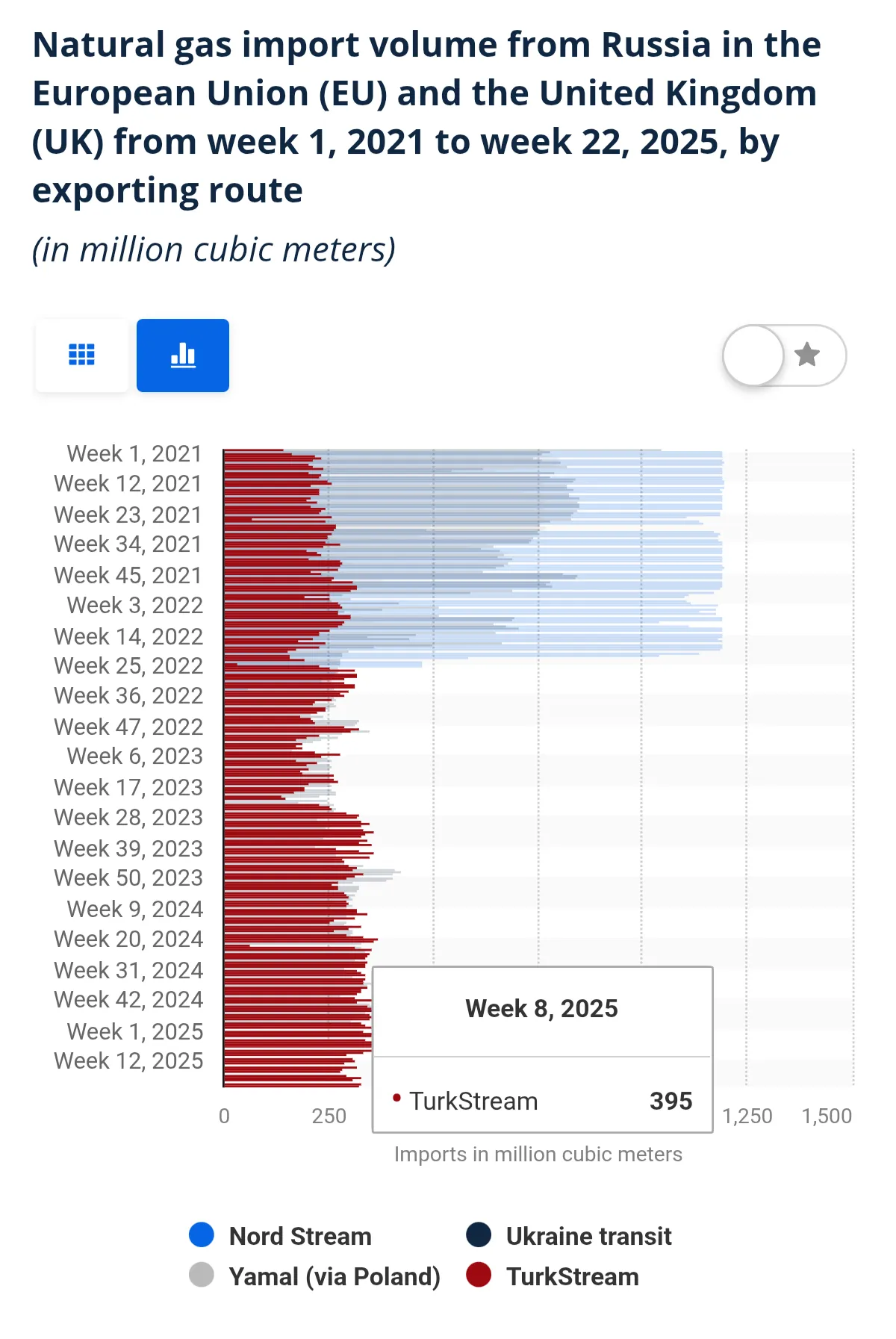
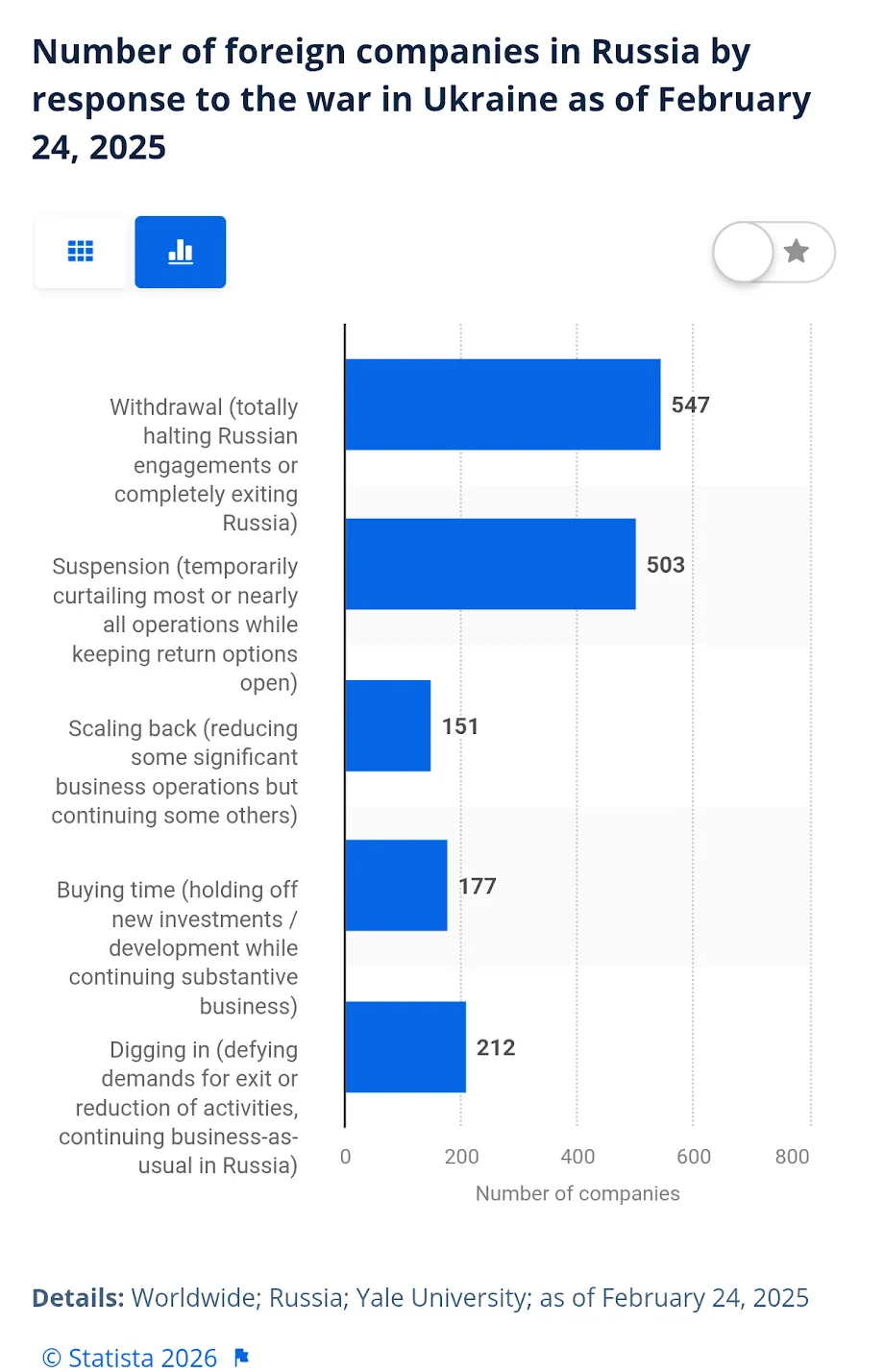
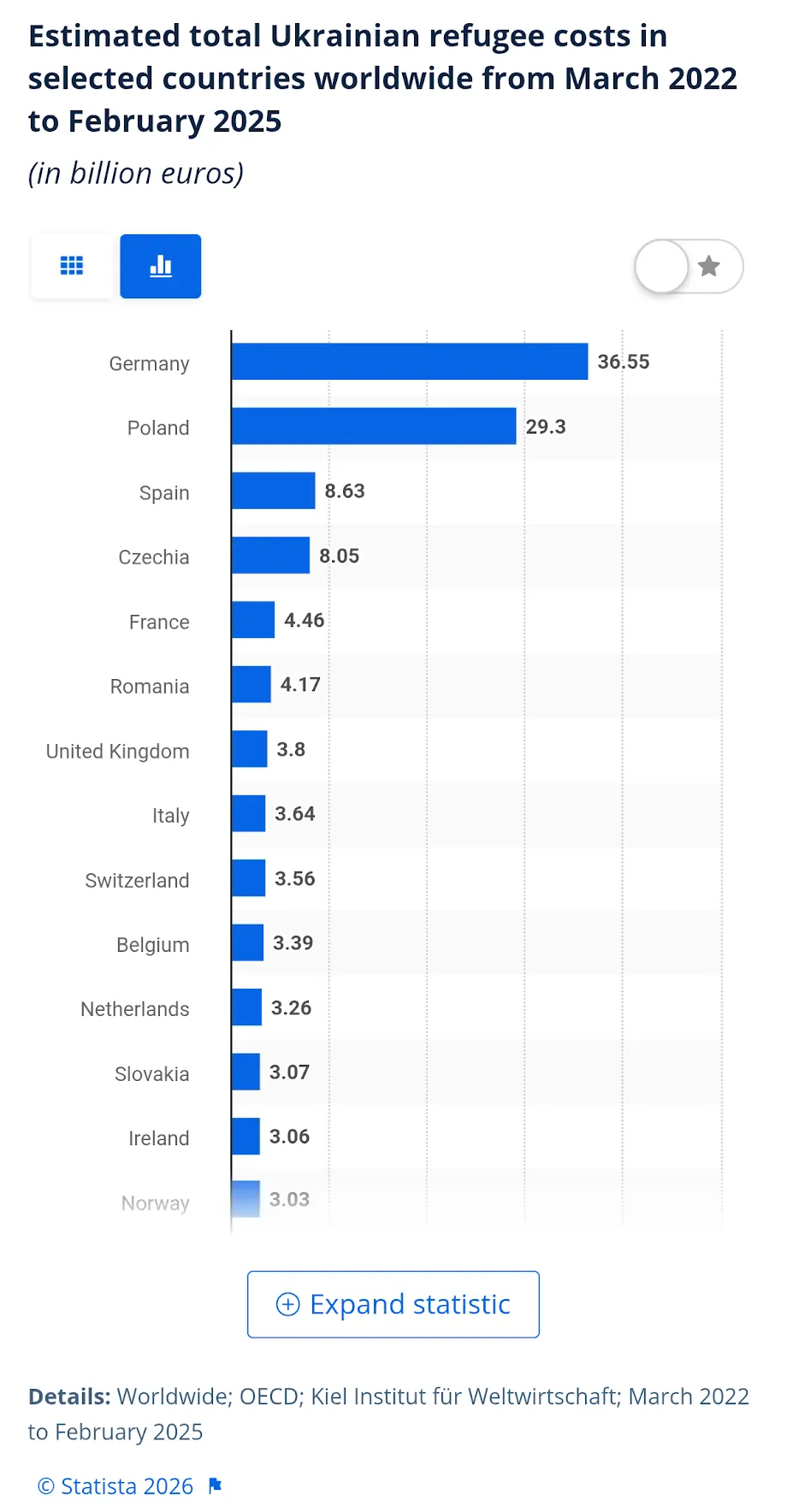
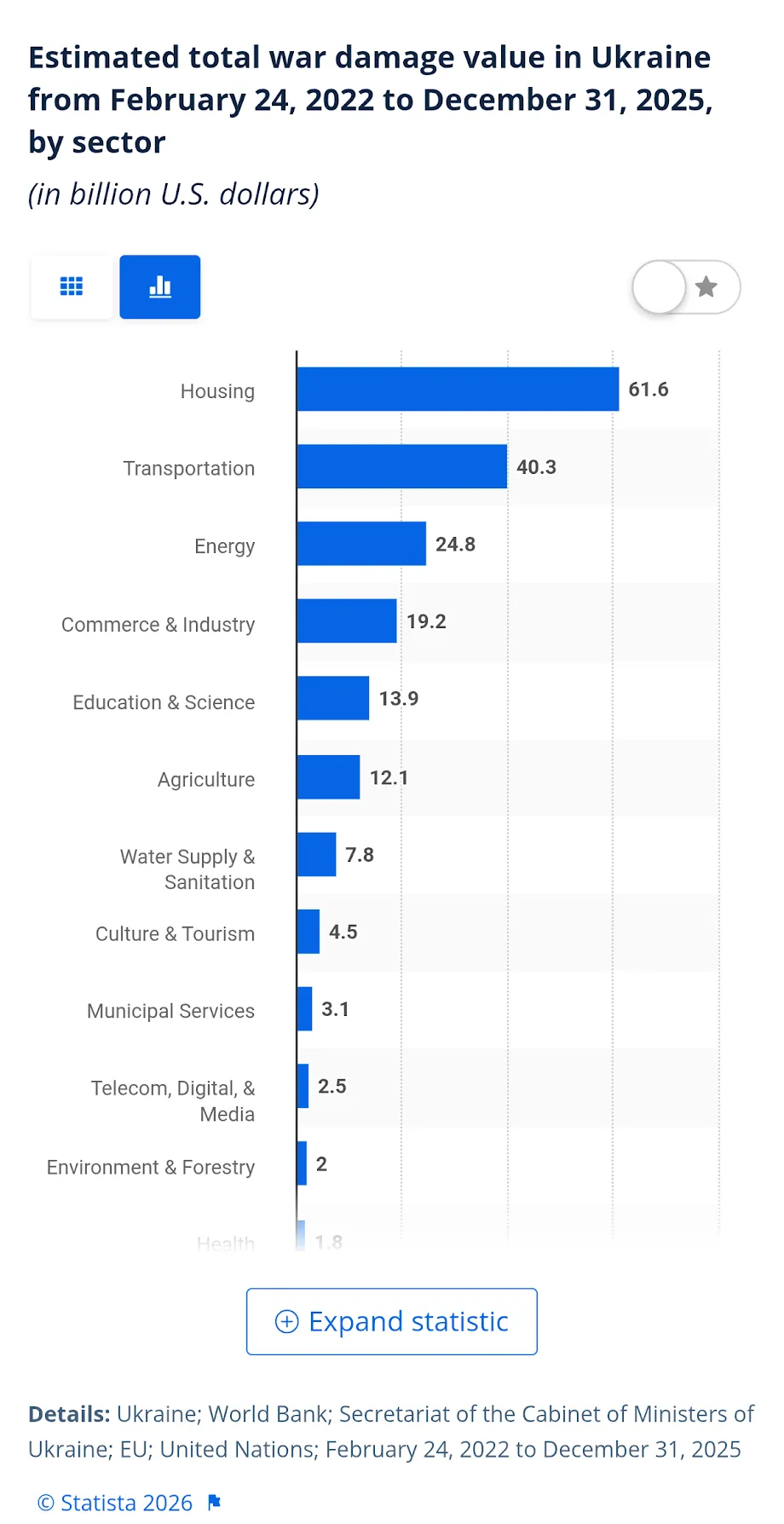
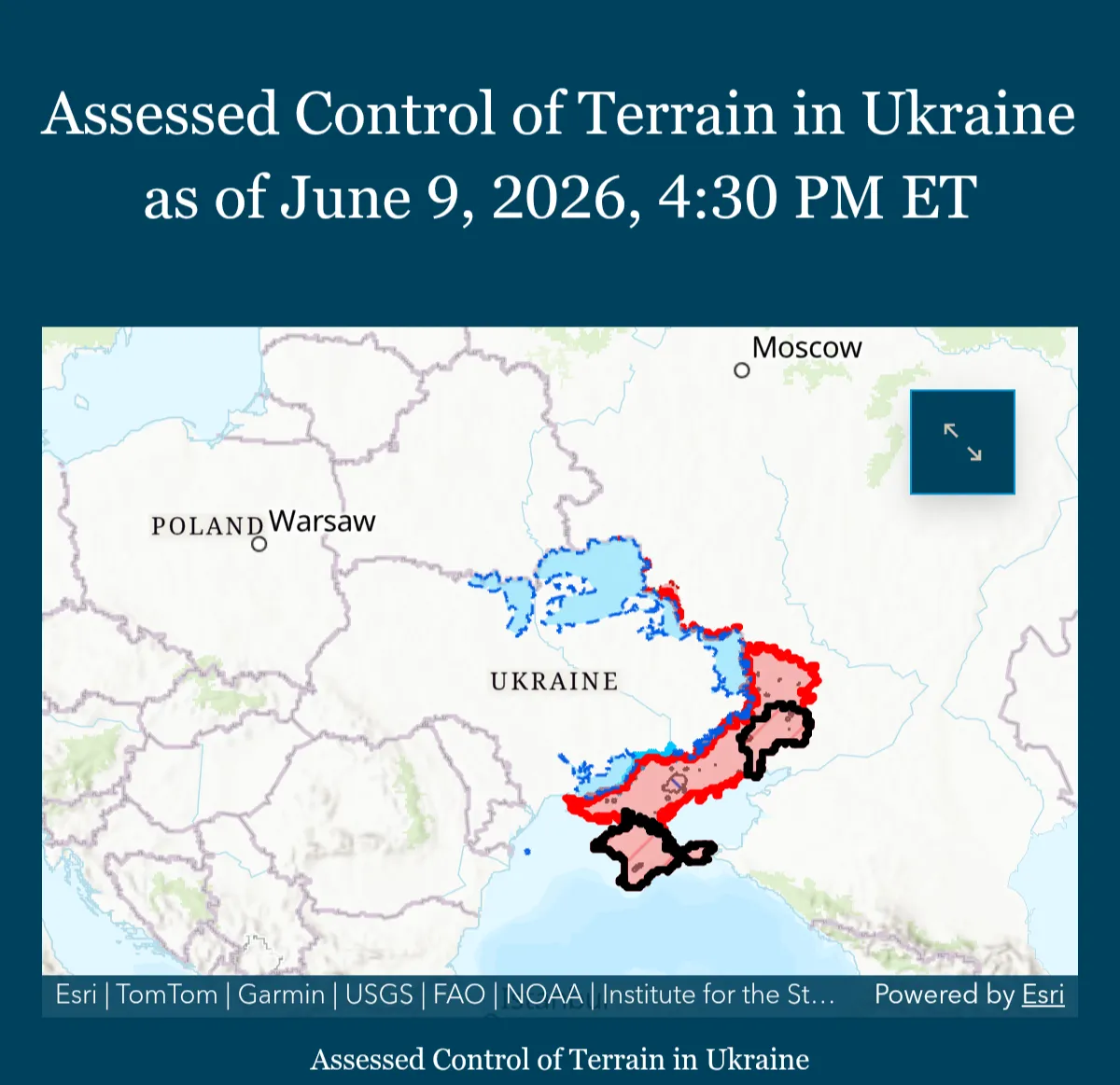
Four years since Russia’s February 2022 full-scale invasion of Ukraine, Russia occupies approximately 20 per cent of the country after gaining almost five thousand square kilometres of territory in 2025. Following the invasion, U.S. and NATO allies increased defence and humanitarian assistance to Ukraine, as well as imposed sanctions on Russia. The conflict has reshaped global geopolitics far from the frontlines, with serious implications for the five Central Asian states: Tajikistan, Kazakhstan, Turkmenistan, Kyrgyzstan and Uzbekistan. The war in Ukraine has also strained Russia’s regional engagement, creating opportunities for China to strengthen its influence in Central Asia and for local states to exert their influence in balancing these powers.
US-brokered talks with Russian and Ukrainian delegations, including two rounds of trilateral talks in early 2026, failed to bridge the difference between Moscow's demands and the compromises Kyiv is willing to make. On the one side, Russia wants international recognition of its territorial gains in Ukraine, reflected in any future deal, including the annexation of Crimea and four eastern regions. On the other side, Kyiv will never recognise its sovereign territory as part of Russia and seeks security guarantees with Western countries to ensure Russia never invades its territory again.
Entries
Living Conditions
Society
Politics & International Relations
Historical Roots
Do you want to help us create these entries? Write an entry · Support the Atlas
Maps & charts
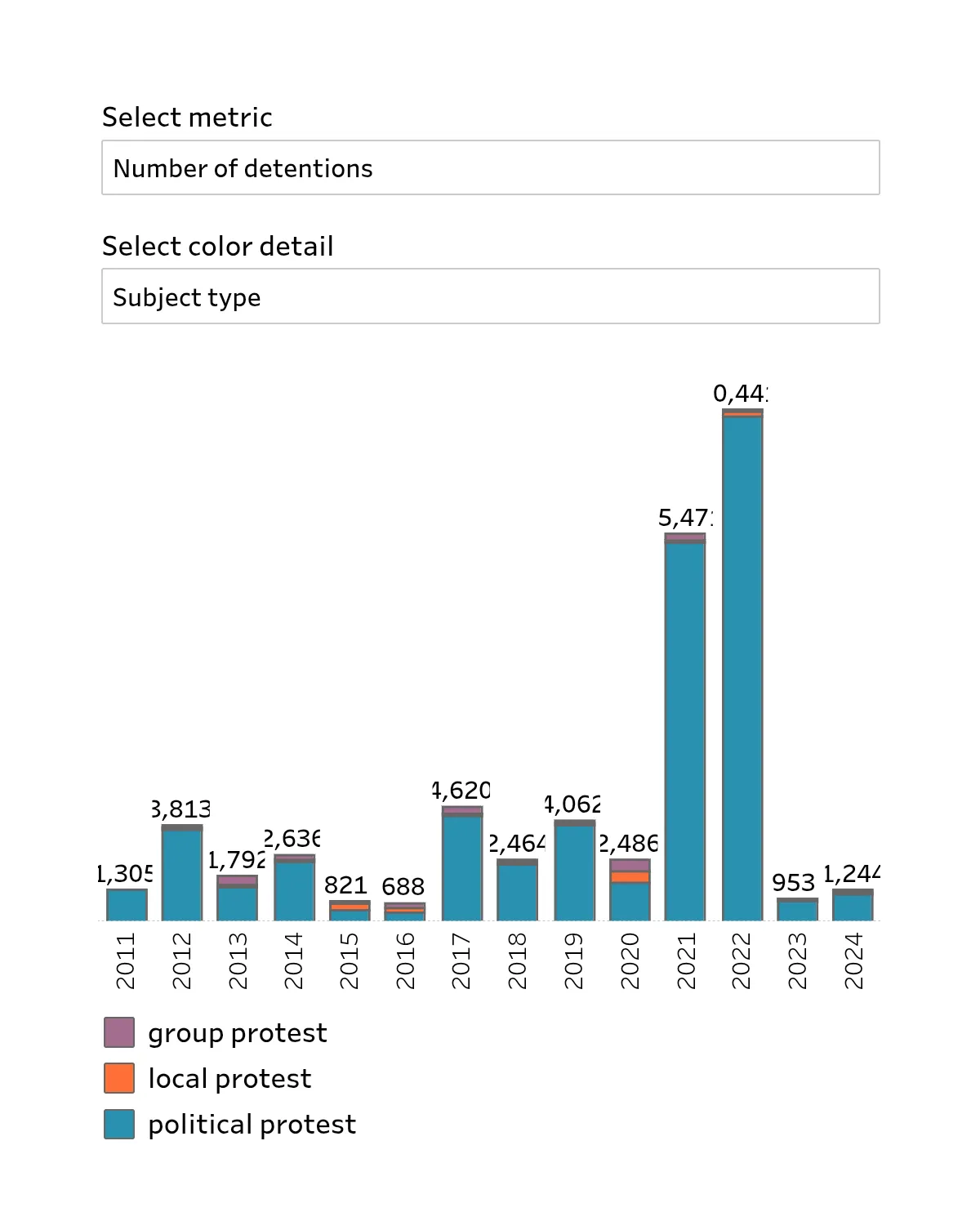
Seen through maps and data
Selected visualisations from organisations that track this part of the world.
1 of 13
Learn more elsewhere
Documentaries, lectures, reports and databases picked by the Atlas team.
Articles, Reports & Books
Videos & Documentaries




Educational Resources


Lectures & Debates


Statistics & Infographics


This portrait is not finished
The sections above are waiting for authors. Atlas Patrons pay for the research and the writing that fills them in.