Detention of Migrants and Refugees
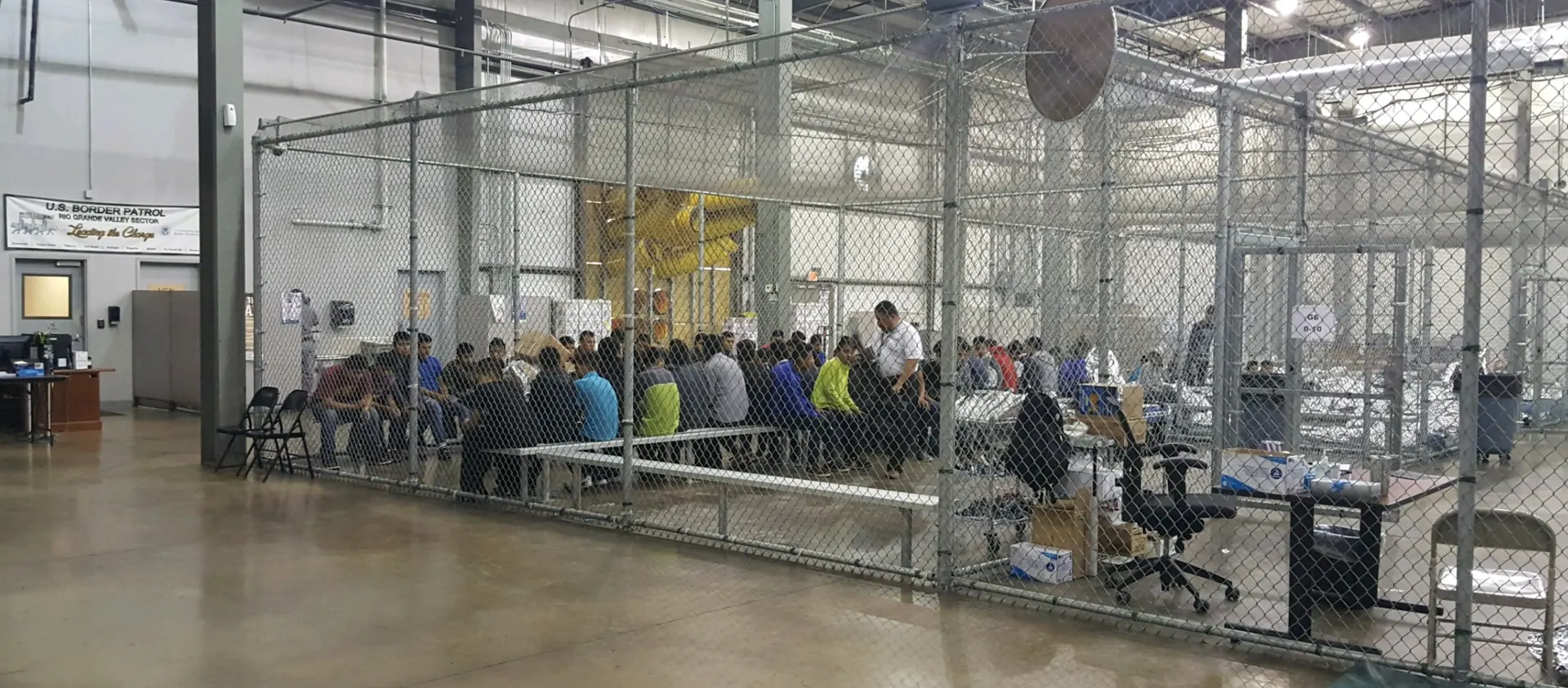
Detention of refugees and immigrants refers to the practice of placing these groups in detention centers with bars and fences that are isolated from society. This is a state practice that is common during asylum, entry, or return procedures, and which violates the fundamental human right to liberty and freedom. Despite this only being permitted when other options are exhausted, a large number of immigrants and refugees are kept in detention centers for excessive periods of time.
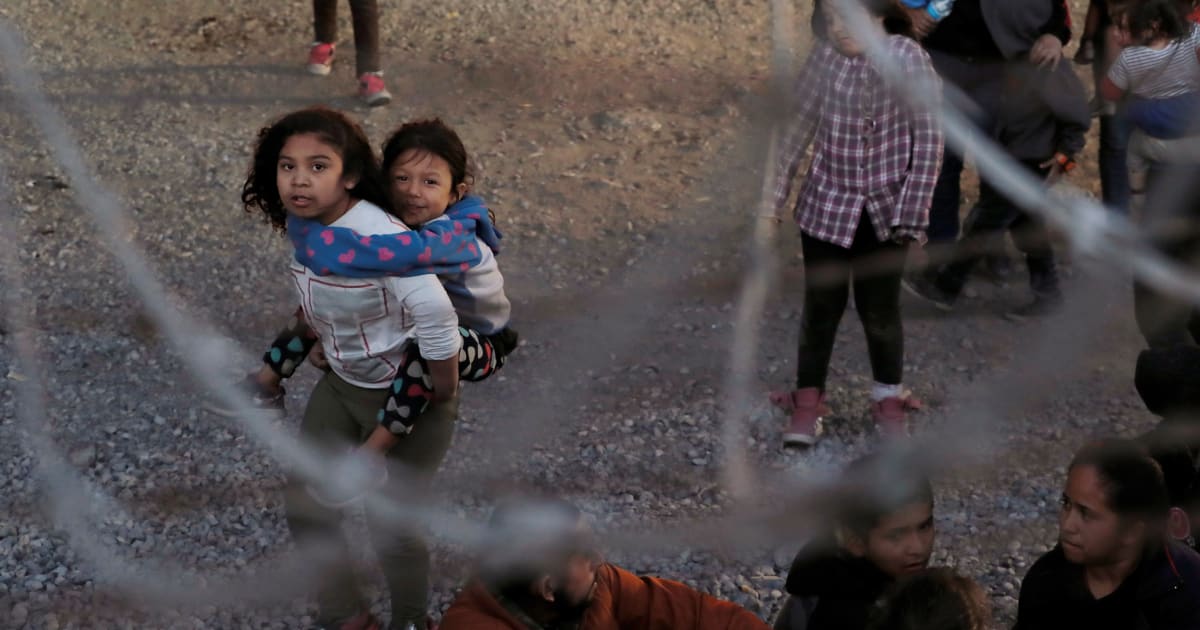
US Customs and BorderPatrol / Wikimedia Commons
- Published
- Last updated
- The detention of immigrants and refugees is the deprivation of their freedom in a closed detention facility.
- Detention is used to prevent the unauthorized entry of refugees and immigrants or to deport them.
- It is often arbitrary and without legal safeguards.
-
Subtopics
Learn more
Subtopic 1
What Is the Detention of Migrants and Refugees?
Updated 6 October 2026 · US Government / Wikimedia Commons
- Detention of refugees and immigrants refers to the practice of placing these groups in detention centers with bars and fences that are isolated from society. This is a state practice that is common during asylum, entry, or return procedures, and which violates the fundamental human right to liberty
The detention of refugees or immigrants is the deprivation of the freedom of immigrants and refugees in host countries and constitutes an exception to the fundamental human right to liberty and freedom. In practice, refugees and immigrants are placed in detention centers with bars and fences and left isolated from society with very limited understanding of procedures and without access to any legal aid.
Detention either during asylum, entry, or return procedures is a state practice that is widely used and misused on immigrants and refugees arriving without permits(i.e. illegally) to host countries.
The immigration language concerning deprivation of rights and liberties of refugees/immigrants rarely reflects the true nature of different restrictive measures. Detention is never presented as a deprivation of liberty taking place behind bars for many months or even years but is called an administrative or security measure etc. The detention place itself, often worse and with fewer rules than any regular prison, is never named as a prison and, rarely, as a detention center or cell but rather “a unit” or ”room”. Detainees are “clients”, taken care of by social workers and violent behavior from guards is called an “incident” or a “necessary measure”. This is common for the whole jargon in immigration law enforcement.
Detention, in general, is permitted (according to Article 5 of the European Convention on Human Rights and Fundamental Freedoms) but must comply with important safeguards like being the last option and leading to deportation. It should only be used after other alternative measures are exhausted (see Alternatives to Detention). Nevertheless, a large number of immigrants and refugees worldwide have been kept in detention centers for excessive periods both upon entry to a country or to prevent them from running away during removal or asylum procedures. International law stipulates that detained individuals must be treated in a humane and dignified manner.