Topics
In-depth dossiers on the issues shaping today’s world. Each one is told in subtopics, with sources and further reading.
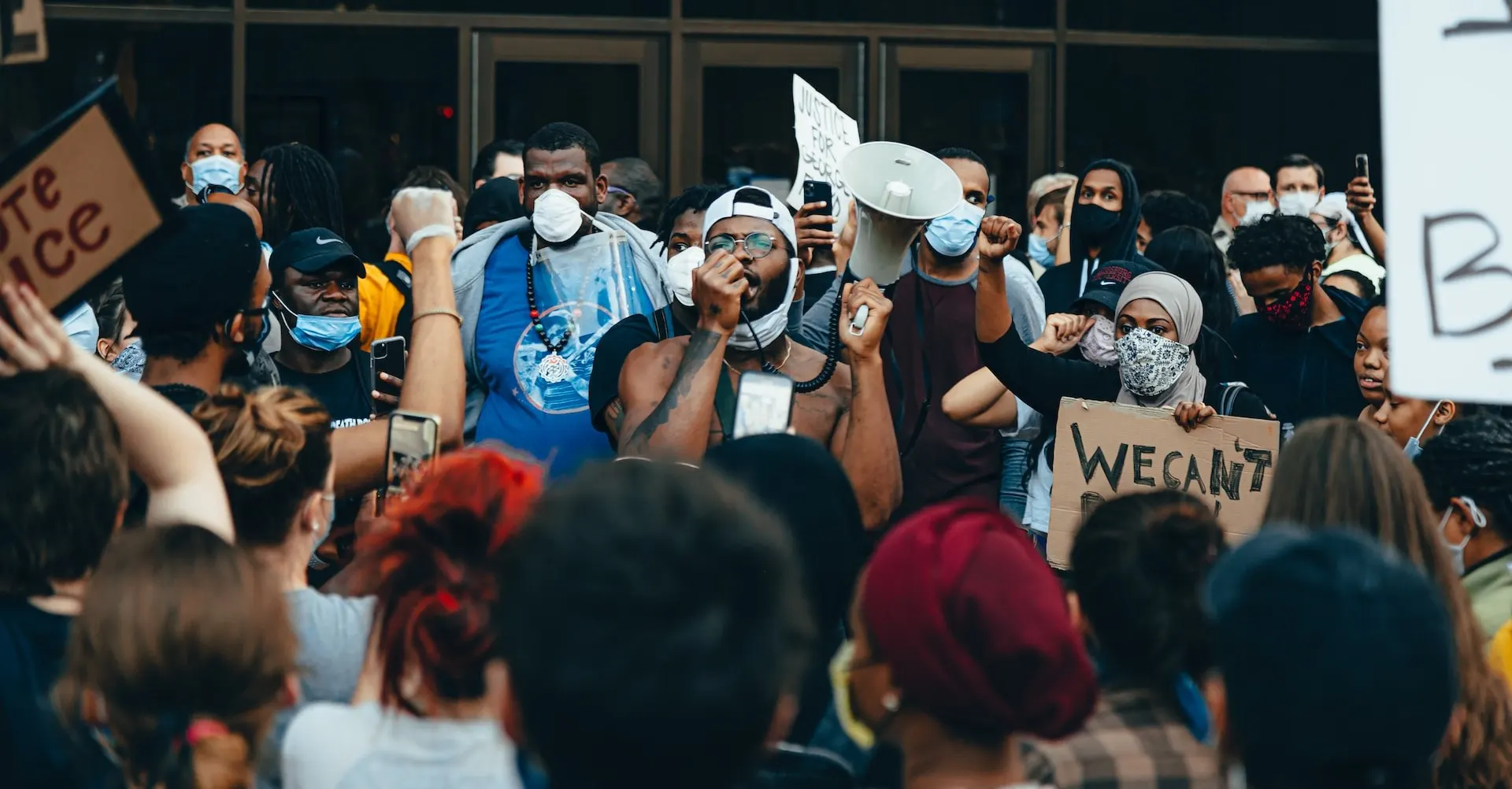
- The State of Inequality within Minority GroupsThe definition of “ minority” is not conclusive and universally agreed upon. However, Generally speaking, the term “minorities” often applies to a wide range of groups, such as racial minorities, LGBT people, people with disabilities, or those with minority political opinions. However, in the eyes of international law, the term applies specifically to national or ethnic, religious, and linguistic minorities. Some examples of Minorities are Swedish-speaking people in Finland, Romani in Central and Eastern Europe, and Kurds in Iraq and Turkey.
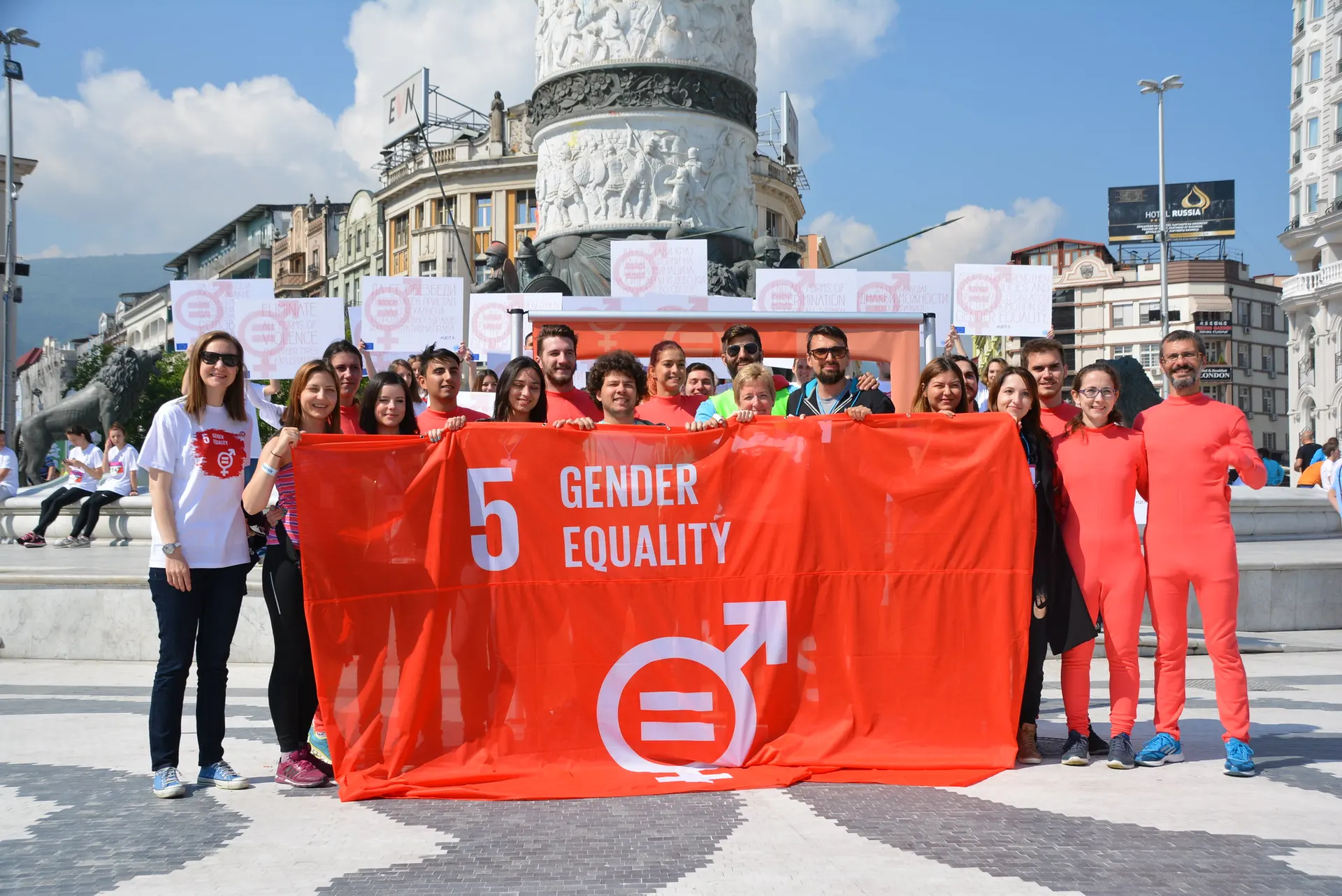
- Gender Equality and PovertyAcross the world, women face higher rates of poverty than men. They are more likely to lack the income needed to cover their basic needs and tend to end up poor in old age more often than men. This systemic inequality stems from women's greater responsibility for unpaid care work and the barriers they face in the labour market. As a result, women’s independence and well-being suffers. To alleviate this inequality and female poverty, new policies and norms concerning earning, caregiving and gender seem necessary.
- Political Ideologies and their Perspectives on Human RightsThe relationship between political ideology and human rights is complex. Moreover, this relationship can differ according to which ideology an individual adheres. For example, cultural relativists view human rights as culturally constructed and believe they should be applied differently across societies, whereas others believe in universal human rights standards, which apply universally regardless of culture.
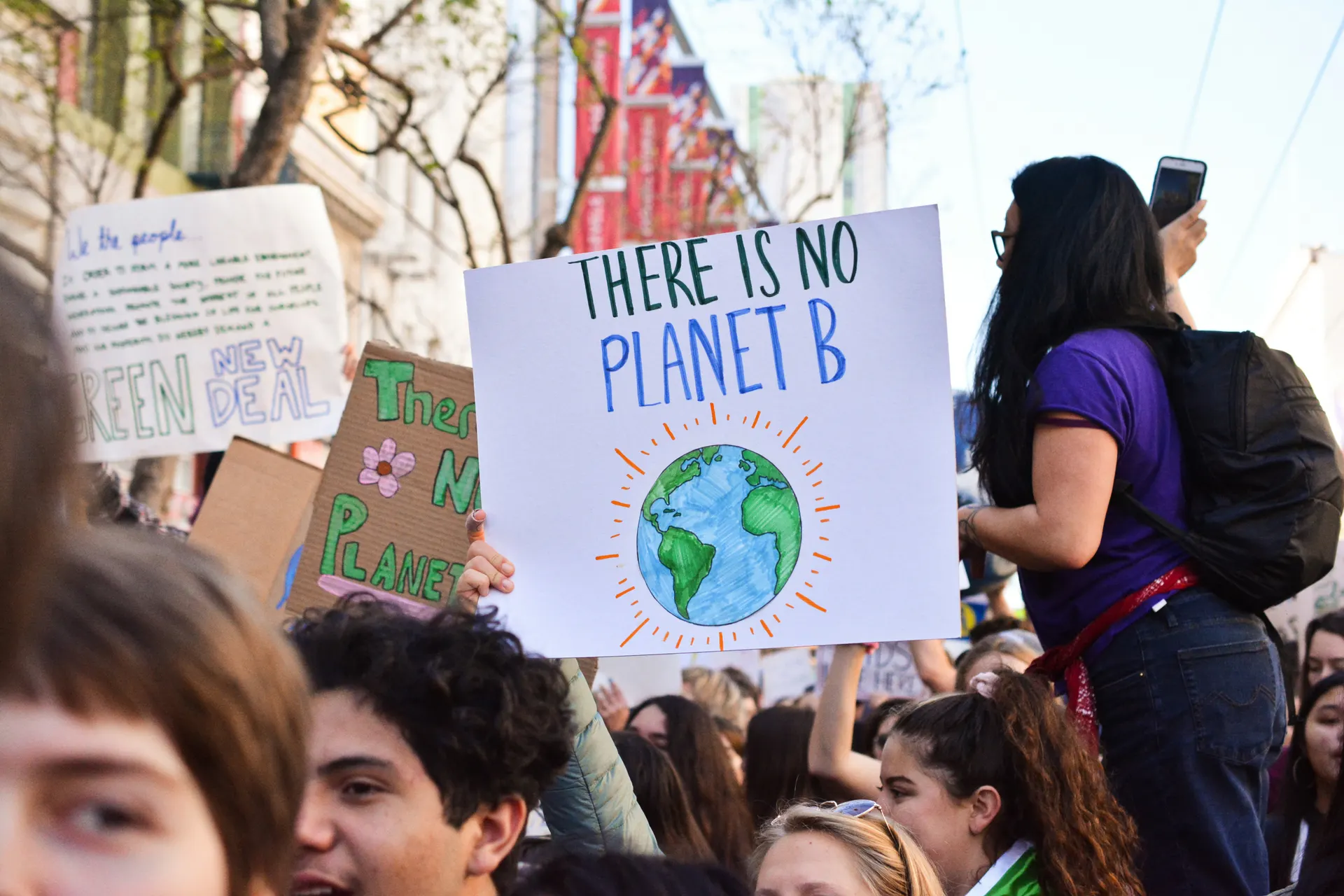
- Challenges to Combating Climate Change at the Individual, Regional and Global LevelClimate change entails lasting shifts in Earth's climate patterns, including temperature, precipitation, wind, and other phenomena. This stems from both natural factors and human activities. The observed alterations in the climate system arise from surplus heat, a result of greenhouse gases added to the atmosphere. Most of these gases result from human actions, for example, burning fossil fuels, deforestation, agriculture, and urbanization.
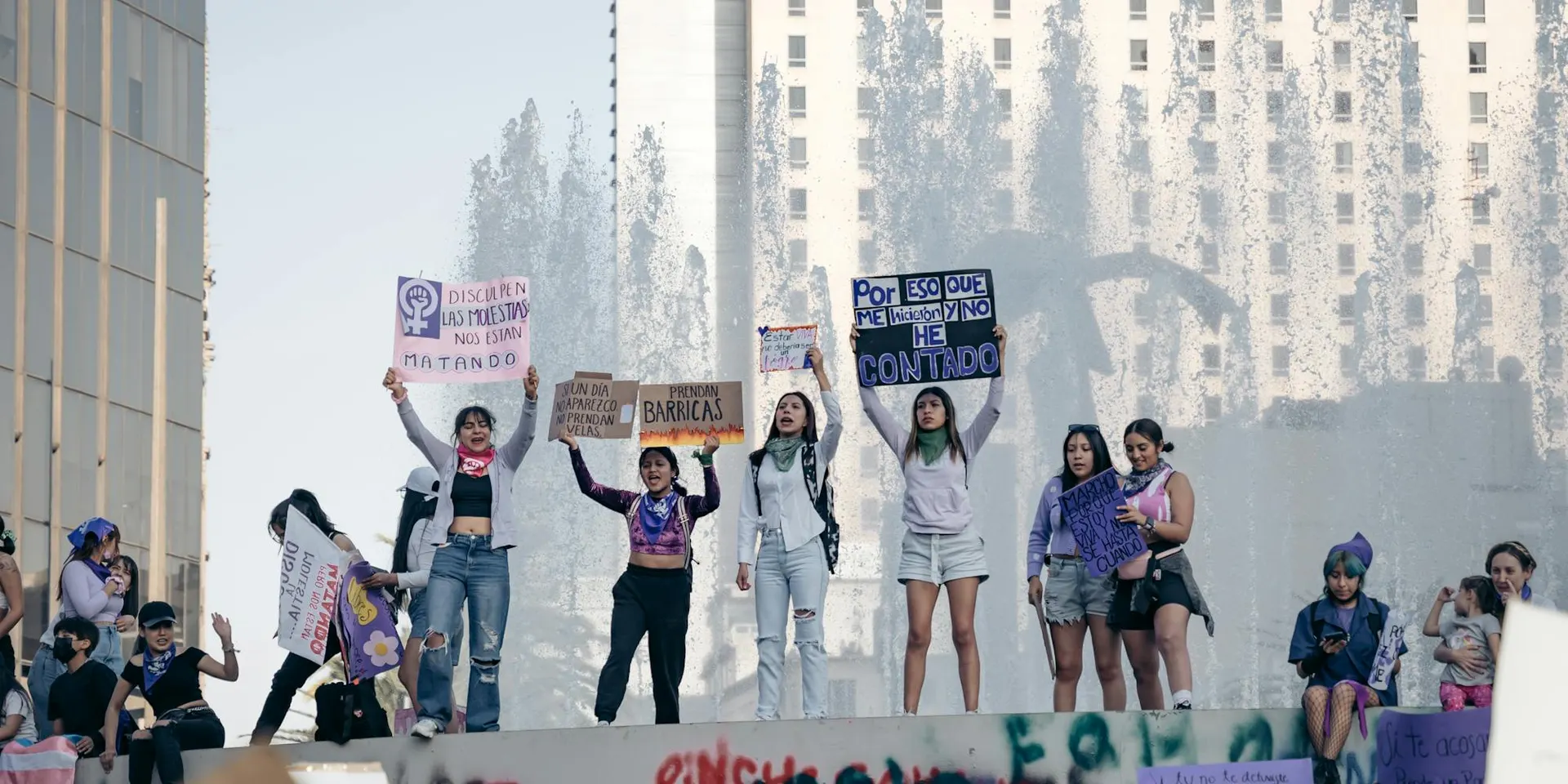
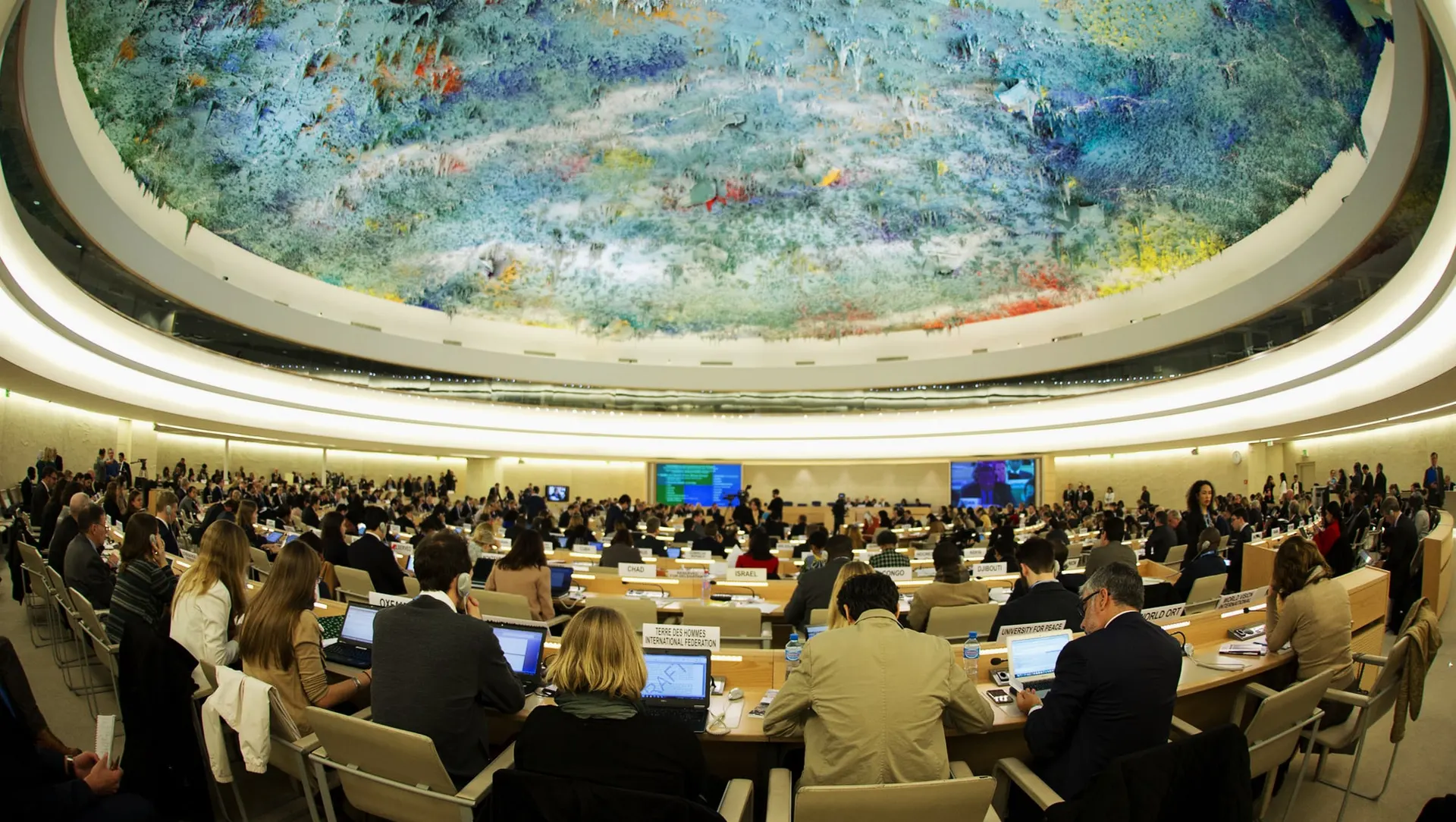
- Current Global Debates About Human RightsThe International Human Rights Regime is made up of the 1948 Universal Declaration of Human Rights, the 1976 International Covenant on Civil and Political Rights, and the 1976 International Covenant on Economic, Social and Cultural Rights. It is a system of declarations and treaties that countries are expected to obey once they agree to them.
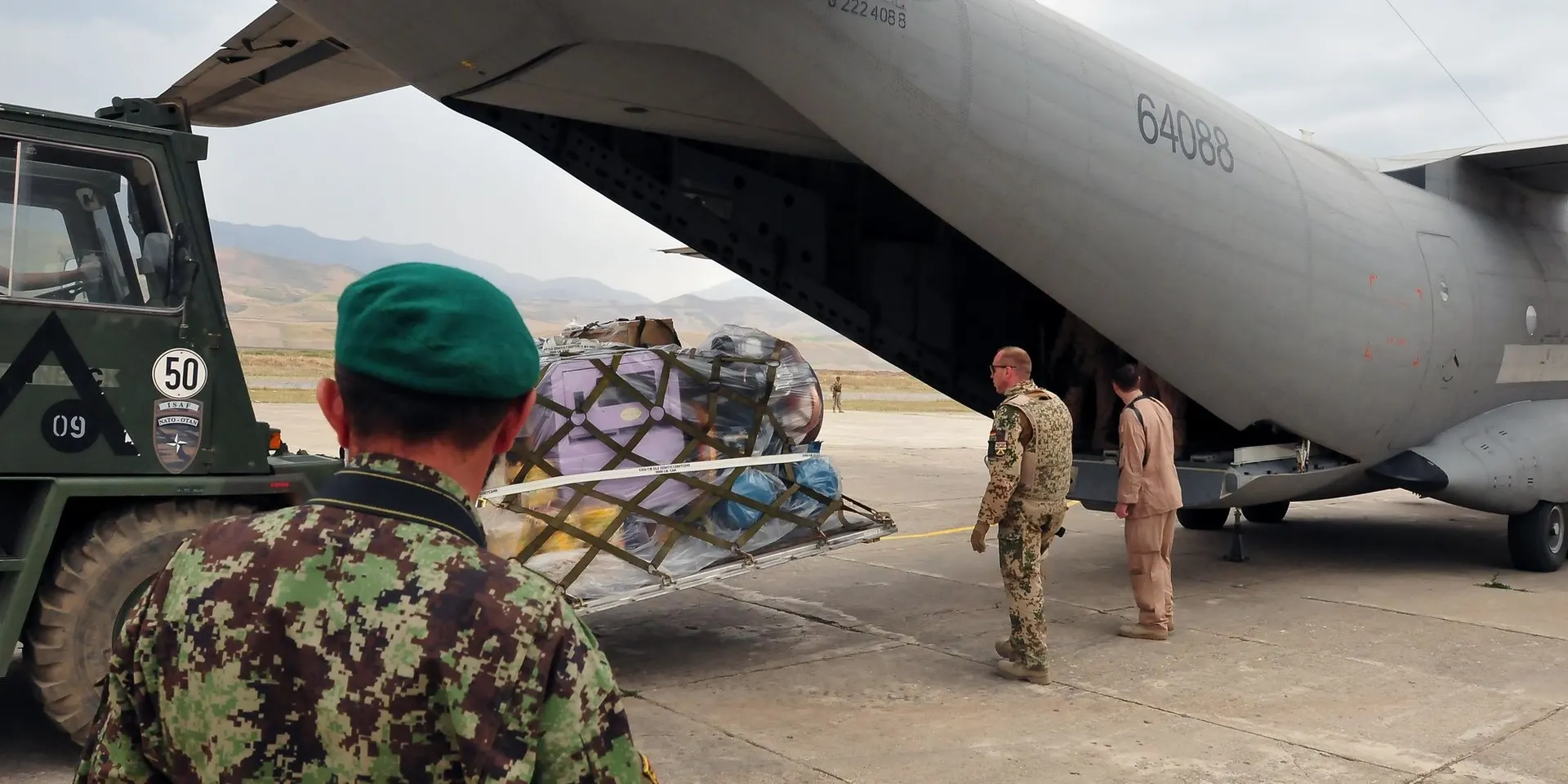
- Ethics and Practices of Humanitarian InterventionThrough the use of "humanitarian intervention", states use military force to solve humanitarian crises in other states without their consent. This starkly contrasts with standard humanitarian aid, in which organisations offer their assistance in a lawful and controlled manner within the framework of international law. There has been much discussion surrounding the ethical implications of humanitarian action, specifically regarding humanitarian intervention, which pits the principle of protecting human rights against the principle of non-intervention in state sovereignty.
- The Rise of Non-State Actors in the 20th and 21st CenturyIn the current state of the world, states are no longer the sole owners of power. Non-state actors such as multinational companies, international organisations, or NGOs are gaining more and more economic resources and influence in national and even global affairs. There is a tension there, however, around the question of the legitimacy of these actors. But understanding these unelected yet impactful groups - from Amnesty International to Blackwater - sheds light on modern governance.
- Overview of Globalisation: Integration and DivisionGlobalisation refers to the increasing integration of countries and peoples worldwide through advances in technology, transportation, and communication. While global exchange originated thousands of years ago, its pace has accelerated greatly since the late 19th century. Globalisation has enabled unprecedented economic growth through trade and investment, facilitated by multinational corporations and innovations like the internet. It has also led to the exchange of ideas, culture, and people across borders.
- International Humanitarian Law and the Conduct of WarInternational humanitarian law (IHL) attempts to balance military necessity and humanitarian protection during wars. It is built on a few key principles, including proportionality, which aim to regulate warfare. But managing to apply these principles on the battlefield, where emotion and military necessity often go unmatched in terms of importance, is very difficult. Furthermore, views on what acceptable collateral damage is differ - the Hiroshima and Nagasaki nuclear bombings in 1945, justified on the grounds of stopping the war, exemplify it best.
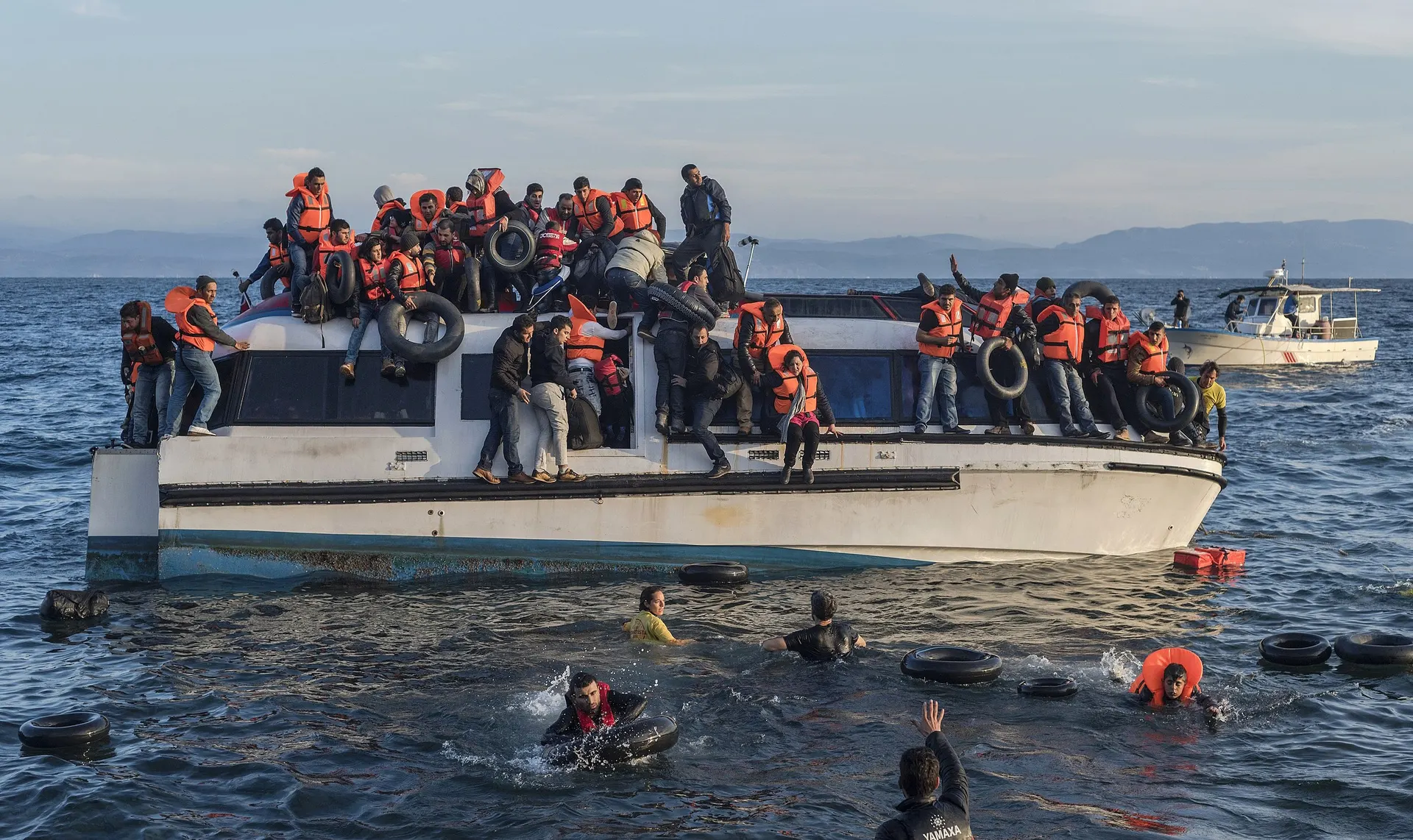
- International Law Mechanisms Related to RefugeesThe beginning of the twentieth century was marked by mass migration and displacement of people across the world. Under Fridtjof Nansen, High Commissioner for Refugees (1920-1930), the League of Nations made the first attempts to regulate the refugee situation at the level of international law. However, it was only in the aftermath of World War II that a general legal regime for refugees came into force under the 1951 Refugee Convention.
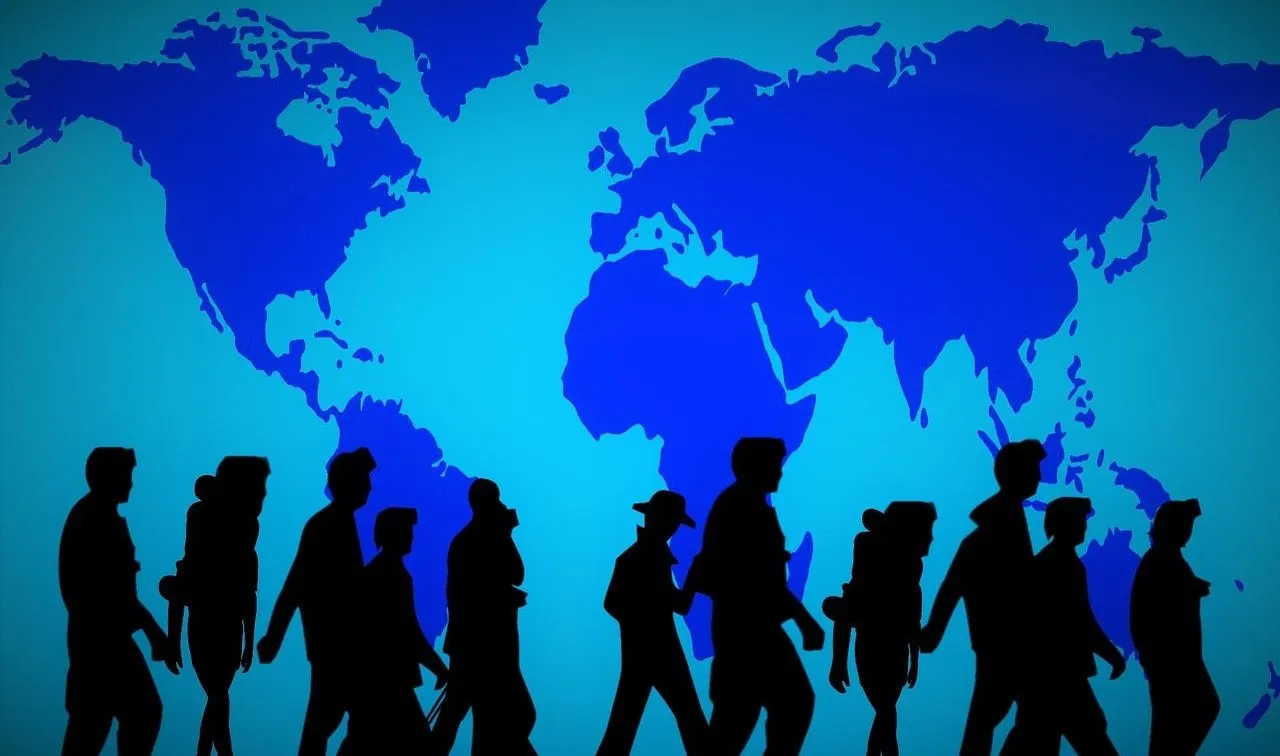
- Types of MigrantsThere is no universally accepted definition for “migrant” at the international level. Amnesty International, for example, describes migrants as people staying outside their country of origin, who are not asylum seekers or refugees. This definition draws a distinction between voluntary and involuntary movements. On the other hand, the UN Migration Agency's (IOM) defines a migrant as a person who is moving or has moved across an international border regardless of the person’s legal status or whether the movement is voluntary or involuntary.
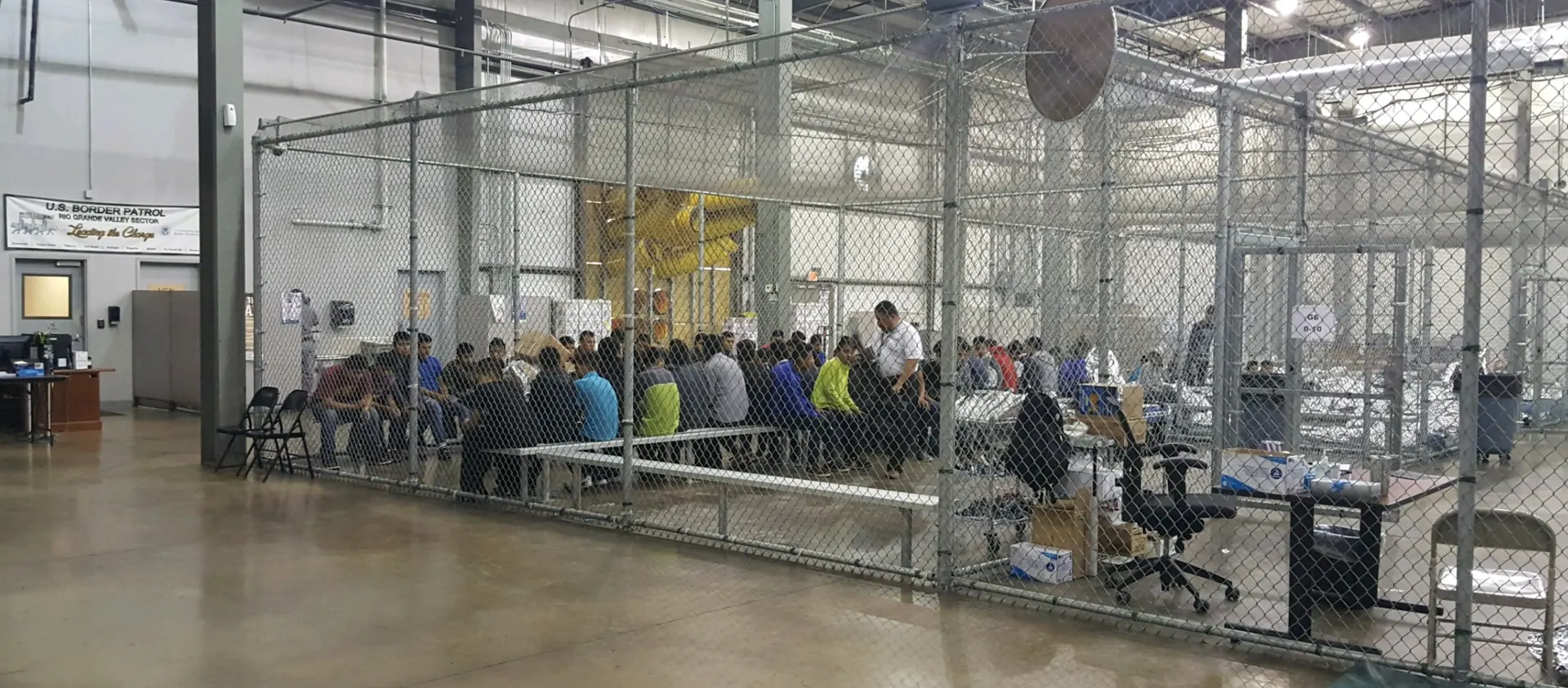
- Detention of Migrants and RefugeesDetention of refugees and immigrants refers to the practice of placing these groups in detention centers with bars and fences that are isolated from society. This is a state practice that is common during asylum, entry, or return procedures, and which violates the fundamental human right to liberty and freedom. Despite this only being permitted when other options are exhausted, a large number of immigrants and refugees are kept in detention centers for excessive periods of time.
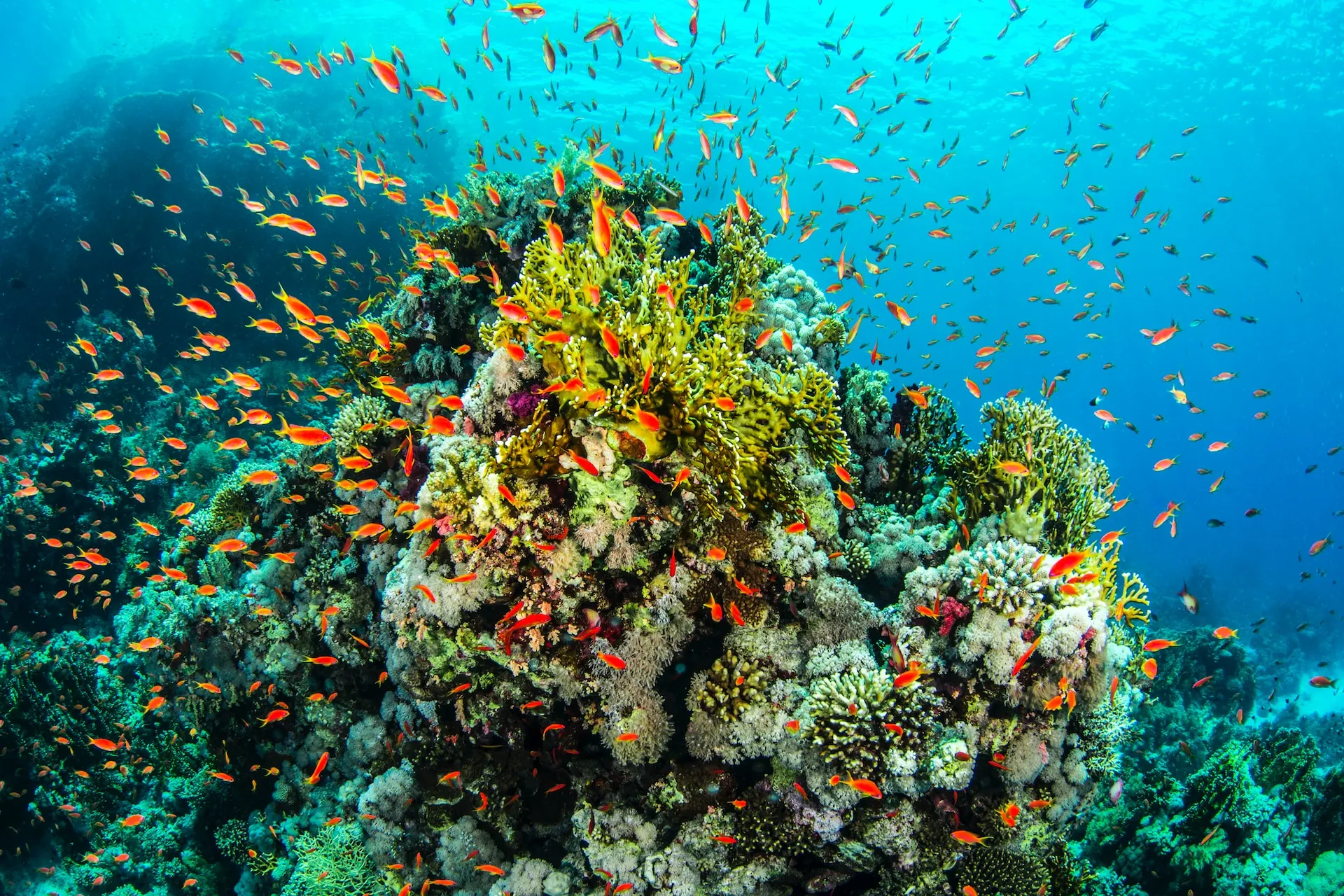
- Connections Between Biodiversity and Climate ChangeGlobal biodiversity is facing a severe decline due to overexploitation, habitat loss, and climate change. The world is already experiencing its sixth mass biological extinction, with species disappearing up to 1000 times faster than the normal rate. Significant changes in landscapes and ecosystems have led to the loss of natural habitats and species. The decline of biodiversity poses a threat to human well-being and global food security. Urgent actions are needed to protect and preserve biodiversity for the future.
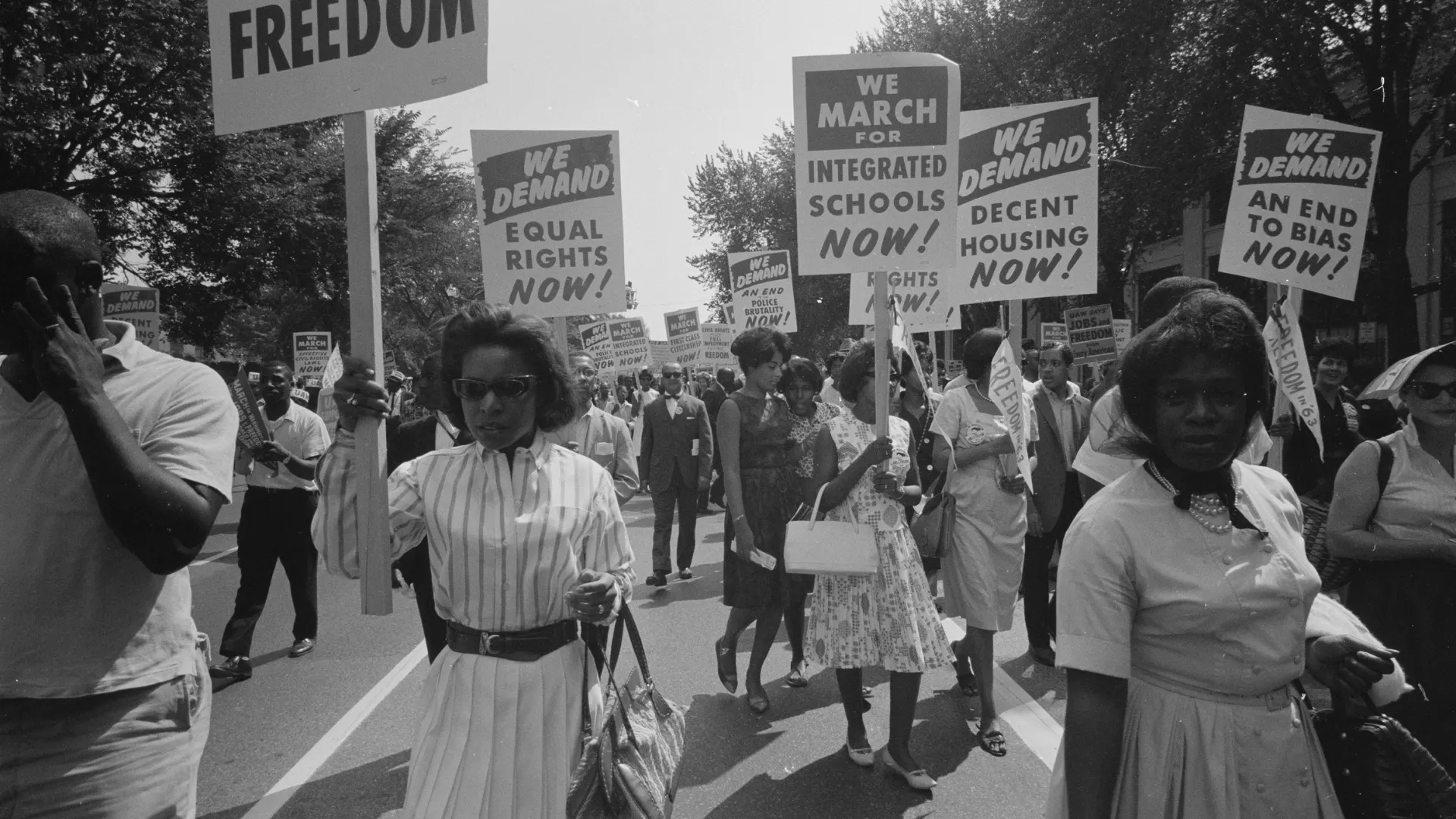
- Human Rights Violations and AdvocacyStates have several options to raise awareness of human rights violations on the global stage. The Universal Declaration of Human Rights in the United Nations was the initial step for the process of norms pertaining human rights in the international sphere. Several treaties that support human rights, which require signatures and ratification from participating states, have been established since the Declaration.
- Migrant SmugglingSmugglers are known, especially in Western Europe and North America, as vicious criminals behind enterprises that threaten the security of nation-states and safety of migrants. Several reports tell of the ruthlessness of smugglers, who do not hesitate to abandon people in the desert or leave them on the high seas. Recent studies, however, have criticized popular generalisations and representations connected to the smuggling practice for being supported by little empirical data.
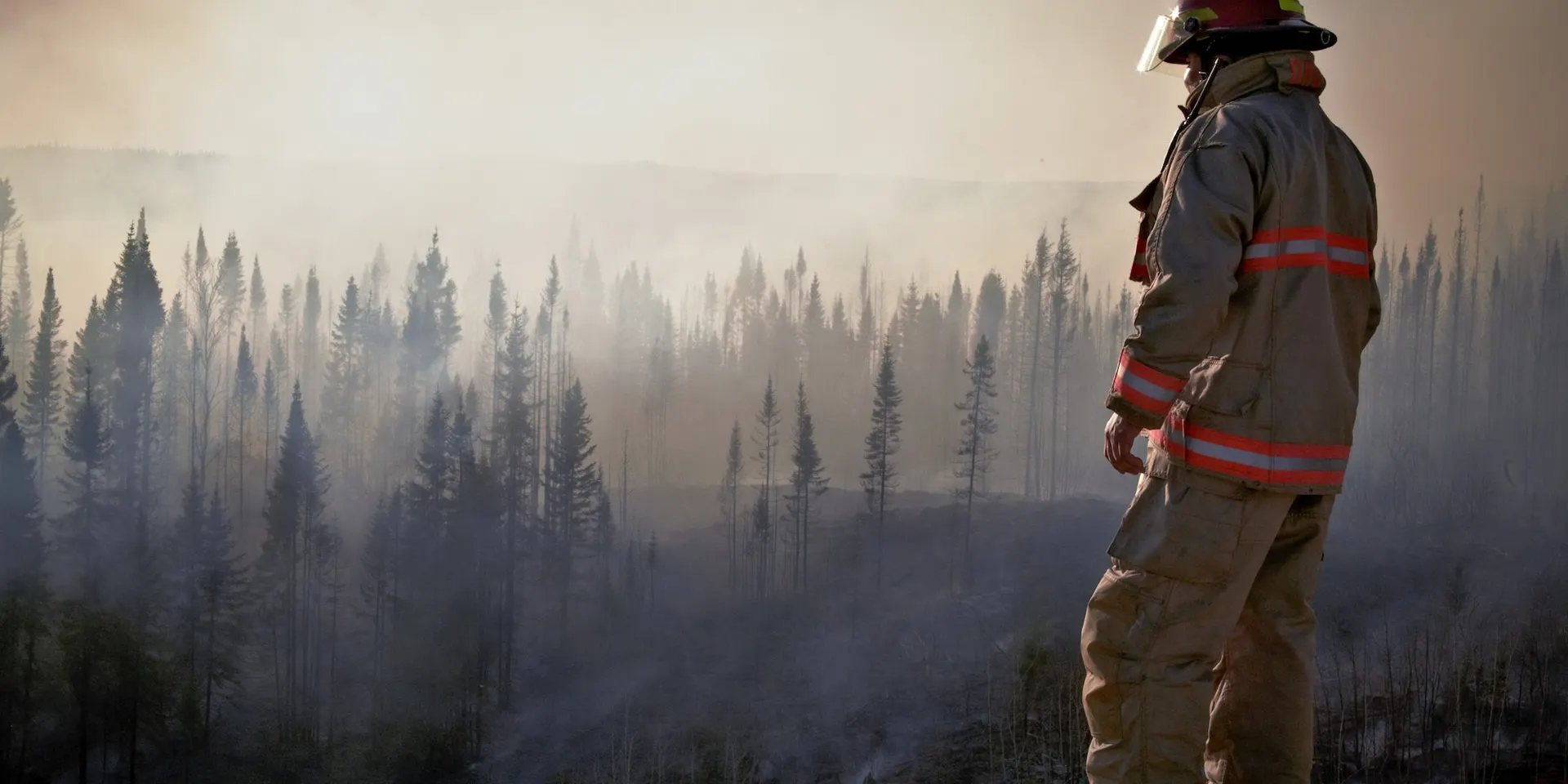
- Disaster Risk Reduction and Climate Change AdaptationThe term 'natural disaster' is misleading, as evidence shows that disasters mainly stem from social, political, economic, and cultural processes rather than purely natural causes. Climate change, driven by the actions of the world’s wealthier minority, escalates the frequency and intensity of hazardous events. Despite the urgent need for Climate Change Mitigation, Disaster Risk Reduction, and Climate Change Adaptation, political and economic interests often take precedence.
- The Role of International Organisations in Peace and ConflictPeacekeeping and peacebuilding are complementary approaches for promoting peace, with peacekeeping focused on short-term stabilisation and peacebuilding on the underlying causes of conflict. However, such efforts can be challenging in practice due to differing priorities of actors and limited resources. Cultural sensitivity is also key for peacekeepers to build local trust and acceptance. While peacekeeping missions have succeeded in places like Sierra Leone, failures like Rwanda demonstrate the complexities of conflict intervention.