International Humanitarian Law and the Conduct of War
International humanitarian law (IHL) attempts to balance military necessity and humanitarian protection during wars. It is built on a few key principles, including proportionality, which aim to regulate warfare. But managing to apply these principles on the battlefield, where emotion and military necessity often go unmatched in terms of importance, is very difficult. Furthermore, views on what acceptable collateral damage is differ - the Hiroshima and Nagasaki nuclear bombings in 1945, justified on the grounds of stopping the war, exemplify it best.
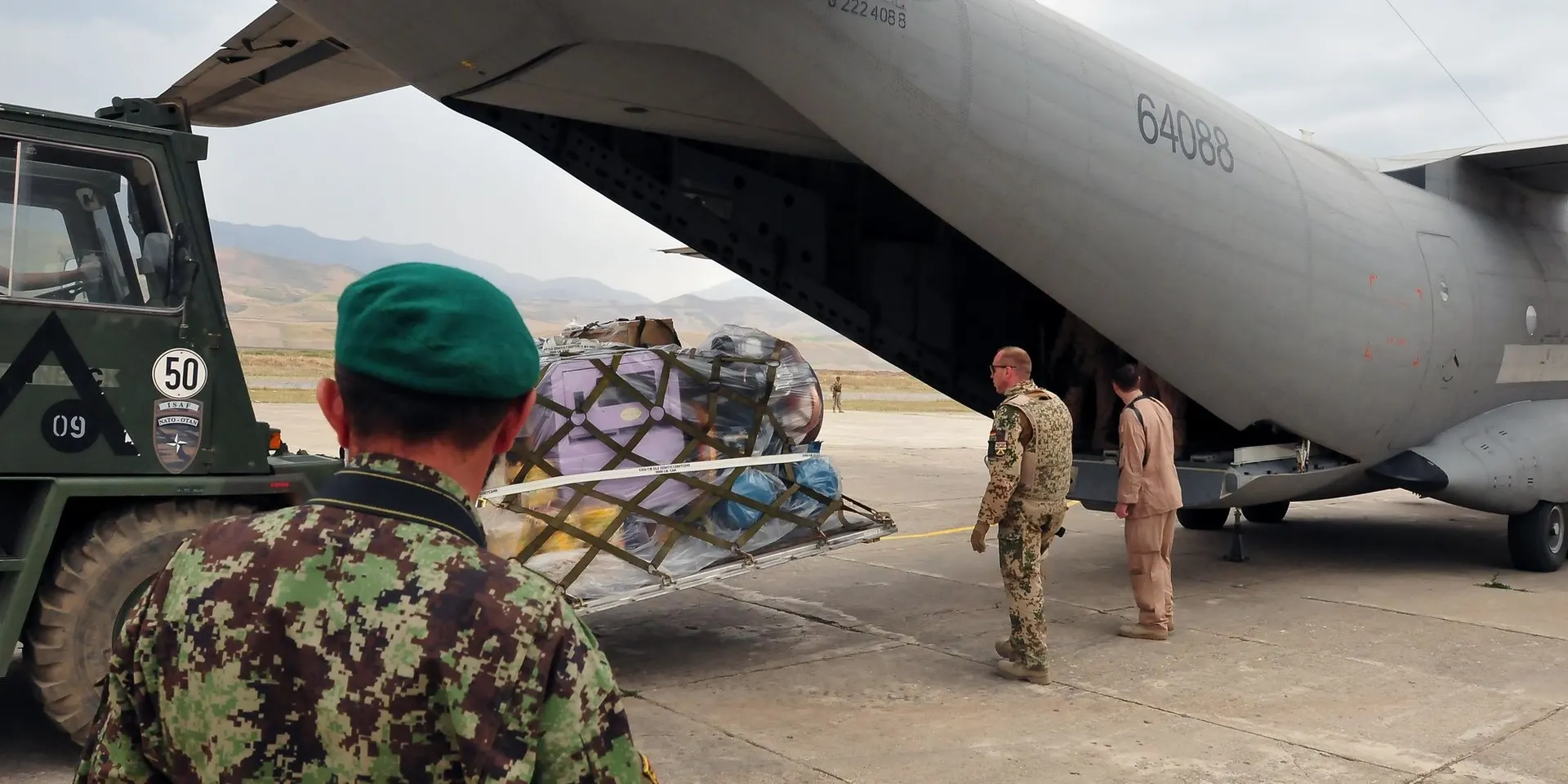
NATO Training Mission-Afghanistan / Flickr
- Published
- Last updated
- War has rules that all countries should respect, but that are difficult to apply.
- The Geneva Conventions provide protection for the victims of war.
- Weapons of mass destruction still pose an enormous threat in today's world, and global efforts to control their proliferation are still incomplete.
Subtopics
Learn more
Subtopic 1
The Law of War – The Paradoxes of International Humanitarian Law
Updated 6 October 2026 · UNMISS / Flickr
- International humanitarian law (IHL) attempts to balance military necessity and humanitarian protection during wars. It is built on a few key principles, including proportionality, which aim to regulate warfare. But managing to apply these principles on the battlefield, where emotion and military ne
International Humanitarian Law (IHL), also known as ‘The Law of War’ or ‘The Law of Armed Conflict’, sets out the rules and obligations applicable to all parties involved in armed conflict.
It is a body of law and a set of rules which, for humanitarian reasons, seeks to limit the effects of armed conflict. Its aim is to protect individuals who are not or are no longer participating in hostilities. IHL regulates the means and methods of warfare. It applies to all parties involved in hostilities or armed conflict, whether they are states or non-state actors.
The essence of IHL is to strike a careful balance between measures required to achieve the purpose of war (military necessity) and the need to protect persons affected by armed conflicts (principle of humanity). At first glance, this may seem paradoxical.
Indeed, there seems to be an inherent contradiction between the pursuit of victory through force, which military leaders see as necessary, and the goal of protecting human rights, which humanitarian principles demand. The question may be asked: how can International Humanitarian Law set out legal guidelines for waging war and, at the same time, aim at protecting innocent people affected by war? The answer, for IHL, is legal pragmatism.
If one takes the analogy of smoking: outright prohibition of smoking is almost universally considered unrealistic, as people would likely smoke illegally regardless of the law. So governments impose controls like age limits, warning labels, smoking areas, and tobacco taxes to deter smoking and mitigate its public health impacts. The law takes a pragmatic regulatory approach rather than an outright prohibition, a configuration which would arguably lead to uncontrolled consequences.
Similarly, it would likely be counterproductive to ban war under international law, as armed conflicts would likely continue to occur outside of law. Making law legal also means creating rules for its conduct. As a result, IHL recognizes military victory as a legitimate goal, while aspiring to the protection of humanity. Principles like "military necessity" and "proportionality" aim to regulate the excesses of war. These two principles underlie the core “principle of humanity” in the conduct of war.
The principle of "military necessity" legitimises states using force only when required for national security and defence, to prevent occupation by hostile forces, or to enable a rapid end to hostilities under reasonable conditions. It does not permit unrestrained warfare for political or economic gain. While not formally codified verbatim in IHL treaties, the principle of military necessity and its limitations is widely considered part of the laws governing warfare.
As part of the pragmatic approach laid out by international humanitarian law, the principle of proportionality acknowledges that some civilian casualties may occur, but requires these be minimised as much as possible. The principle of proportionality dictates that the anticipated military advantage gained from any military attack must outweigh the expected harm to civilians and civilian infrastructure. It seeks to restrict excessive use of force and protect civilian lives.
The principle of humanity directly requires parties in a conflict to avoid inflicting unnecessary suffering. It encompasses, but goes beyond, the principle of proportionality. Humanity demands respectful treatment for civilians and combatants, including the provision of adequate food, shelter, and medical care for those affected by conflict. It prohibits torture, collective punishment, and other cruel practices.
The paradox arises because the pursuit of military victory often seems to require actions that cause human suffering, like bombing campaigns or siege tactics. Yet IHL simultaneously demands protecting human life and dignity.
Proportionality seeks to strike a balance, but ambiguities remain. What constitutes "concrete and direct"[1] military advantage? How does one measure lives lost versus lives potentially saved? These highly subjective questions render the conduct of wars complex and fraught with moral dilemmas.
Determining Proportionality: Theory and Practice
In theory, International Humanitarian Law sets out a legal framework that combines military necessity with the principle of humanity. However, putting this into practice during armed conflict is fraught with challenges. A key difficulty is calculating the proportionality of a military attack versus potential civilian harm. How can combatants weigh split-second decisions between the need for military victory and respect for human rights on the battlefield?
Interpretations of acceptable collateral damage versus excessive force often vary based on perspective. Proportionality[2] is subjective, situational, and driven by one's vantage point. Hence, reconciling military necessity and civilian protection under IHL frameworks remains an ongoing challenge.
Many examples from armed conflicts confirm this. The most infamous one may be the atomic bombings[3] of Hiroshima and Nagasaki in August 1945. These bombings killed approximately 200,000 Japanese civilians, yet US military leadership justified the action as necessary and proportionate to hasten Japan's surrender and end the war.
More recently, the US interrogation program following the 9/11 attacks employed methods widely classified as torture by human rights groups. However, government lawyers at the time argued[4] these methods were legally permissible and proportionate given the imminent national security threat posed by terrorism. Debates continue regarding whether post-9/11 policies upheld or violated proportionality principles in the Geneva Conventions and international law.
Furthermore, the norms and interpretations of proportionality have shifted over time with the evolution of international law and customs. Ideas about what constitutes a proportional response in war have changed over time. Military tactics that were permissible in past wars are now questioned in retrospect, and new weapons and tactics raise new questions that need to be answered.
Protection of Civilians Under International Humanitarian Law
One of the primary objectives of International Humanitarian Law is the protection of persons who are not or no longer taking part in hostilities. This includes civilians, as well as wounded, sick, and shipwrecked members of the armed forces. IHL requires that these individuals be treated humanely, which means they should not be subjected to violence, intimidation, or any form of discrimination. The law also prohibits all attacks on civilians, as well as acts of terrorism and hostage-taking.
In addition to general protections for all civilians, International Humanitarian Law has specific provisions for safeguarding vulnerable groups who may be disproportionately impacted by armed conflict, such as children, women, the elderly, and the disabled. Specific IHL conventions, such as the Convention on the Rights of the Child and the Geneva Conventions, establish such protections. This includes extra safeguards for children, prohibitions on recruiting child soldiers, measures to protect expectant mothers, and requirements to care for those unable to flee conflict areas.
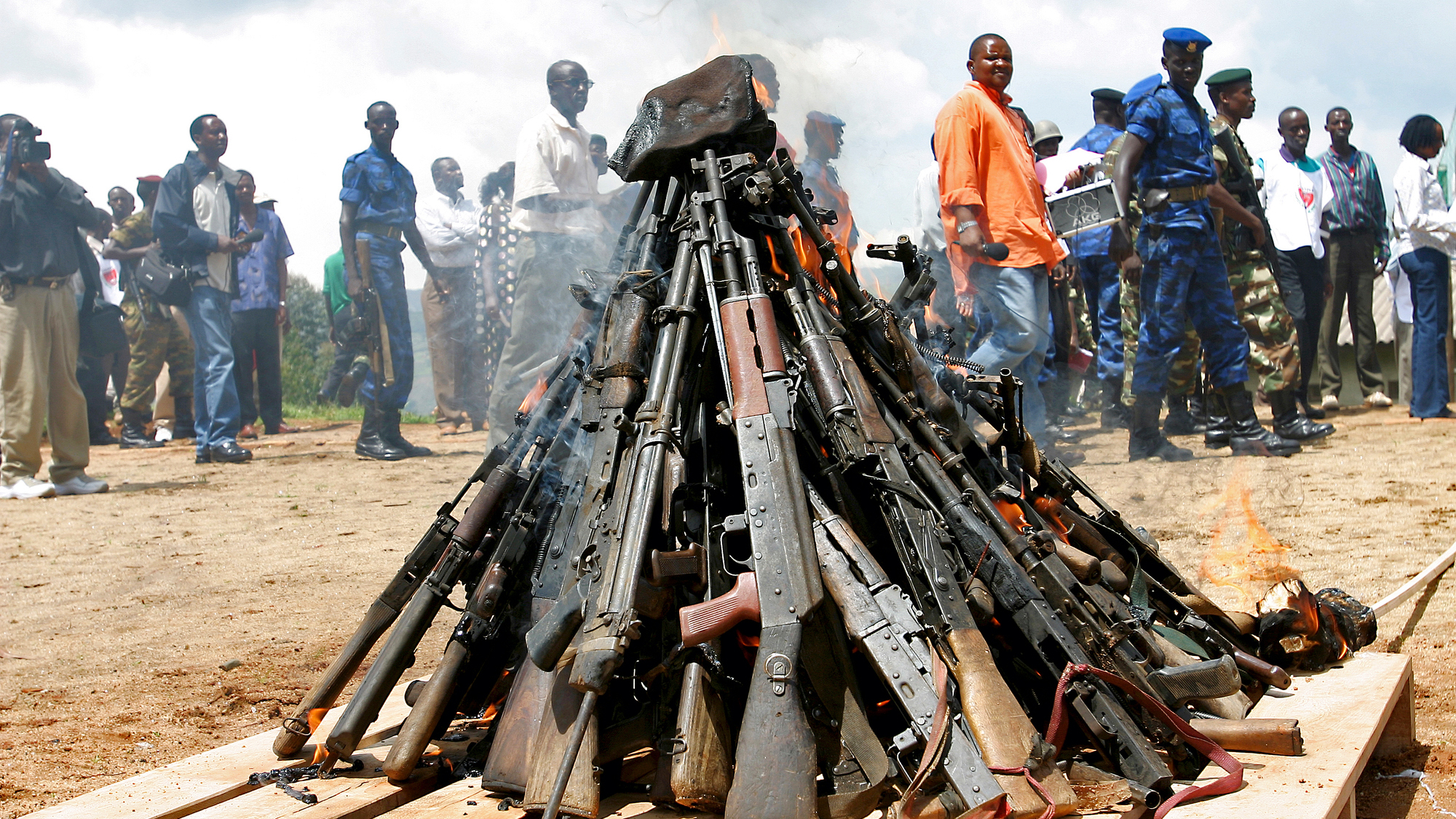
In principle, IHL provides a legal framework for the conduct of hostilities by limiting the methods and means of warfare. Under IHL, the use of weapons that are likely to cause unnecessary suffering or that are indiscriminate in the injuries they cause, such as chemical or biological weapons, is prohibited.
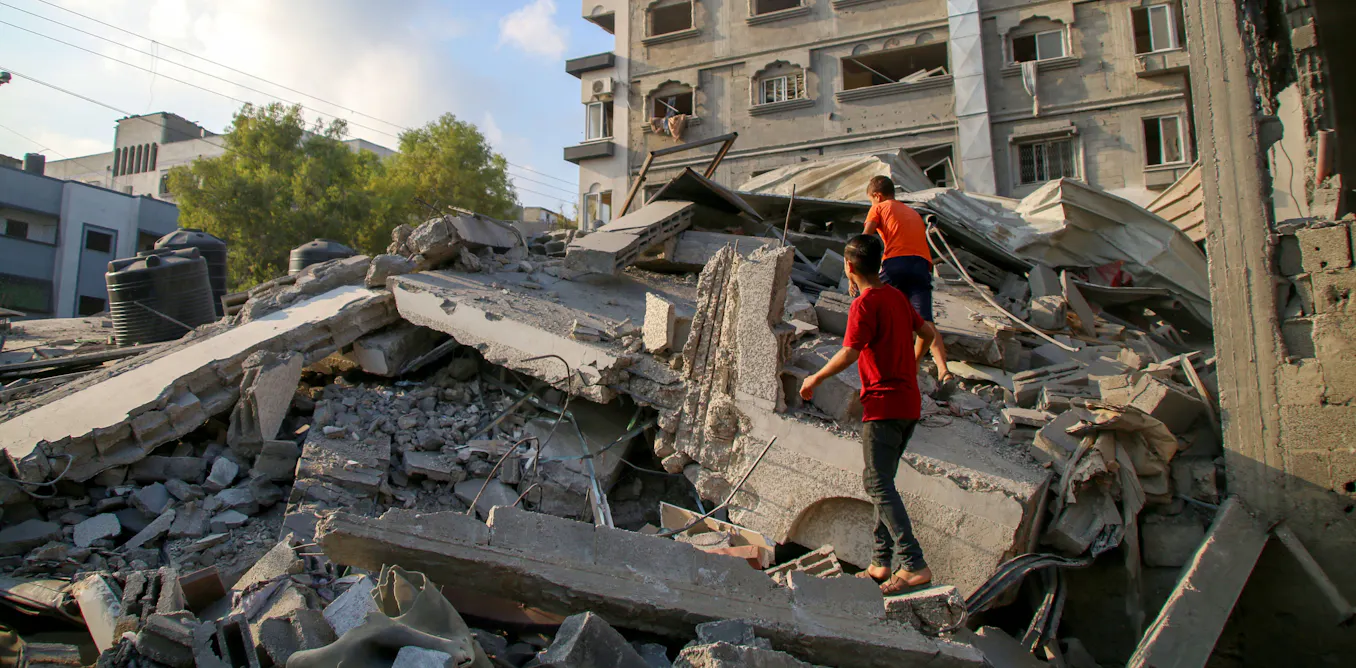
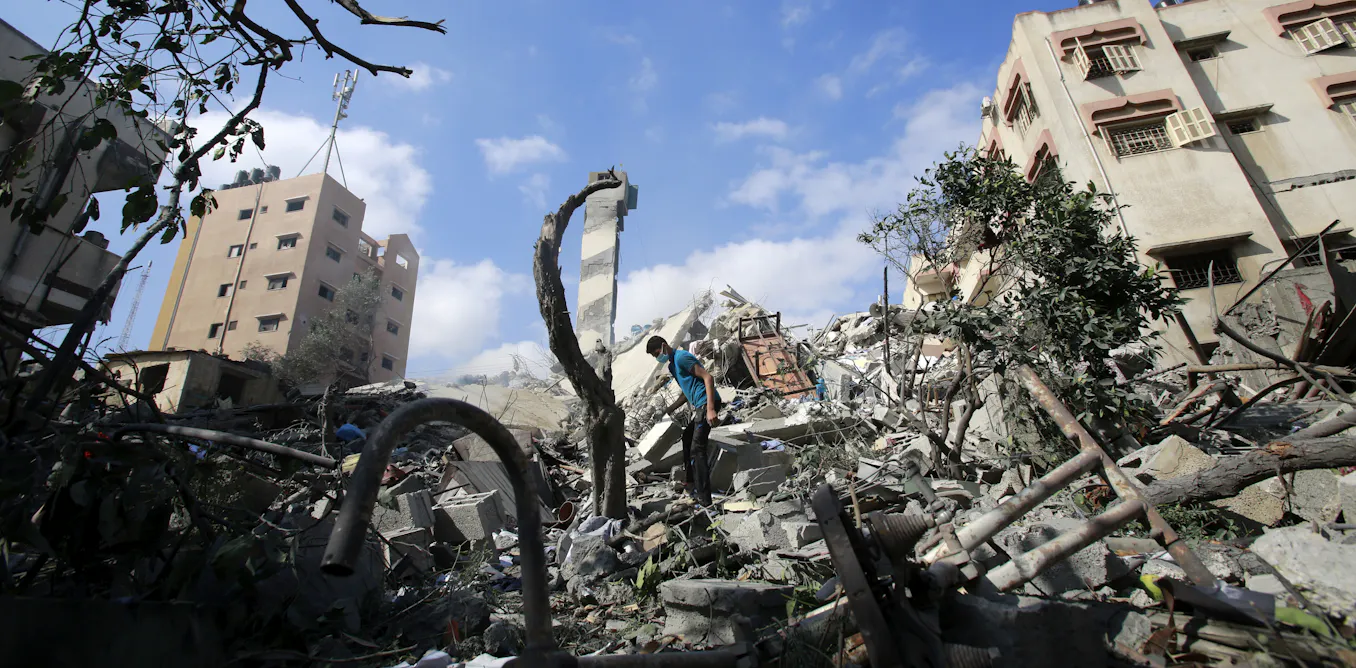
The law requires all parties in a conflict, without exception, to take all necessary precautions to avoid harming civilians and hitting civilian infrastructure. Attacks on people's homes, public schools, hospitals, water systems, food supplies, or agricultural lands are considered serious violations of IHL. In general, any attack on civilian facilities upon which people's livelihoods and general well-being depend is a violation of IHL.
In addition to civilian infrastructures, IHL provides for the protection of cultural property, artefacts, and the natural environment during armed conflicts. It requires that parties to the conflict take all measures possible to protect these objects and places. It prohibits any deliberate or indiscriminate destruction of cultural heritage. Any attempt to attack, destroy, remove, or render useless any of these civilian objects or facilities is considered[5] a war crime.