Human Rights Violations and Advocacy
States have several options to raise awareness of human rights violations on the global stage. The Universal Declaration of Human Rights in the United Nations was the initial step for the process of norms pertaining human rights in the international sphere. Several treaties that support human rights, which require signatures and ratification from participating states, have been established since the Declaration.
Canva Pro
- Published
- Last updated
- There are various international treaties and mechanisms aimed at upholding human rights.
- Holding states accountable for human rights violations is often challenging due to a lack of political will and resources.
- Local and international organizations are central to promoting human rights and pressuring states for compliance.
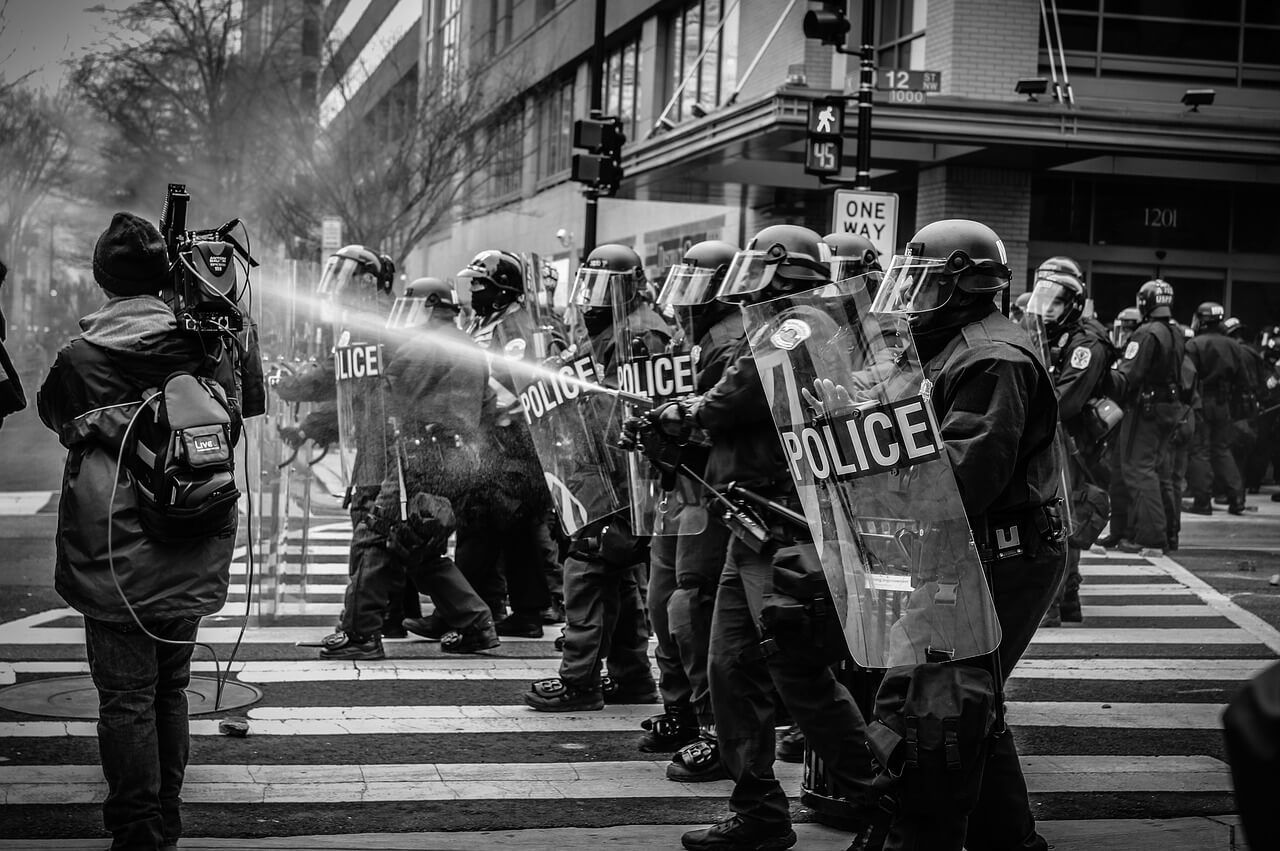
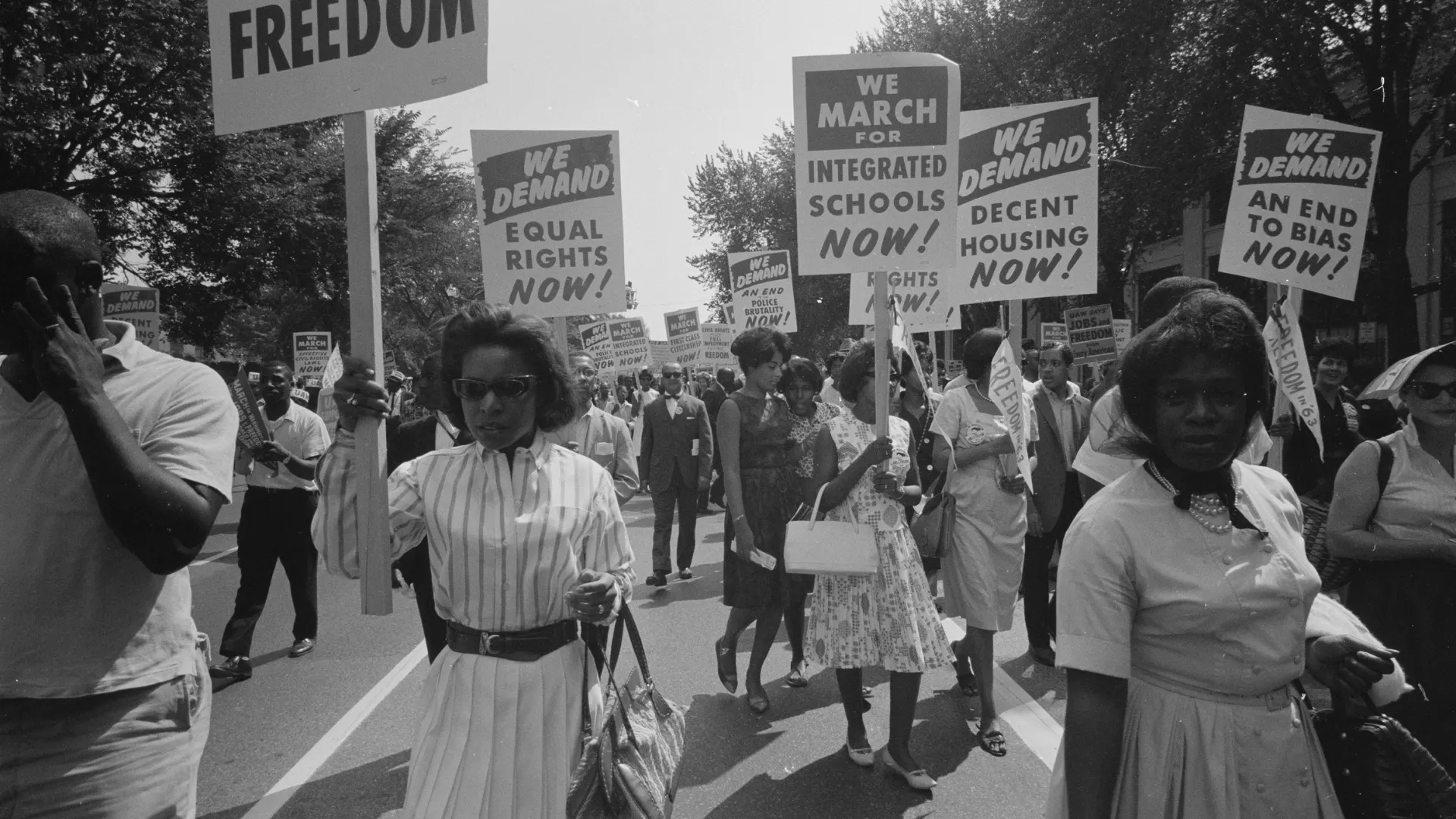
- Protests, times of war, and the use of dehumanizing language are often contributing factors to human rights abuses.
- Some people criticize international courts, especially the International Criminal Court, for being biased.
Subtopics
Learn more
Subtopic 1
International Commitments for Human Rights
Updated 6 October 2026 · United Nations Photo / Flickr
- States have several options to raise awareness of human rights violations on the global stage. The Universal Declaration of Human Rights in the United Nations was the initial step for the process of norms pertaining human rights in the international sphere. Several treaties that support human rights
States have taken several steps on the global stage to claim their diplomatic support for human rights. There now exist a wide array of international mechanisms dedicated to upholding human rights worldwide, ranging from the establishment of the Universal Declaration of Human Rights to the formation of the International Criminal Court. International treaties have promoted physical integrity rights, protection against torture and ill-treatment, protection against gender and racial discrimination, and support for economic, social, and cultural rights. When countries sign these treaties, they, in turn, make diplomatic promises to uphold these rights. However, this has often proved to be a challenge. States often lack political incentives, resources, or a combination of both to fully comply with these treaties. For this reason, local and international human rights organizations have emphasized states’ commitments to these rights as a way to pressure countries to change their repressive behavior. Human rights organizations and the individuals they advocate for continue to grapple with numerous obstacles in their quest for accountability.
The largest obstacle in the pursuit for international compliance for human rights has been the lack of accountability for past and present human rights violations. In some cases, this lack of action is due to the continued presence of political leaders and elites that continue to reside in powerful positions that allow them to block measures against impunity. For this reason, victims and human rights organizations have taken their cases to regional and international courts. However, only the most critical cases with extensive evidence make it to these courts for review. These courts have no power over the governments when they are found guilty. Instead, the judgements from these courts serve to support and provide legitimacy to the people seeking justice. States are often pressured to accept the facts and open investigations if found guilty by regional courts.
These international mechanisms that have been used to seek and promote human rights have faced criticism. Some critics argue that the courts are biased, particularly the International Criminal Court. This court has primarily focused on cases in the African region. For example, in 2016, Burundi and South Africa withdrew from the Rome Statute, the treaty used to accept and support the legitimacy of the International Criminal Court. Nevertheless, some scholars have argued that there has been an increasing promotion for human rights in the last few decades. Kathryn Sikkink has argued that we have recently experienced a ‘justice cascade’ where it is now more common to see cases against individuals for their participation in human rights violations.
The Creation of the Universal Declaration of Human Rights
Prior to the Universal Declaration of Human rights in 1948, advocacy for different types of human rights existed[1] in different regions worldwide. However, the creation of this declaration within the United Nations marked the beginning of a unified understanding of human rights on an international scale. Contributors to the drafting process were from the West and Global South.[2] Eleanor Roosevelt, first lady of the U.S. under Franklin D. Roosevelt’s presidency, John Humphrey, a Canadian legal scholar, and René Cassin, a French scholar were some of the authors from the West that played key roles in drafting the Universal Declaration of Human Rights. Authors from the Global South were also paramount to the creation of the Declaration, including Charles Malik, a Lebanese academic and diplomat, Hernan Santa Cruz, a Chilean lawyer, and Hansa Mehta, a social activist and writer from India. Despite the diverse participation from different regions of the world, the creation of the Universal Declaration on Human Rights had its own challenges. Debate emerged[3] over the rights and language that ought to be included. There were also many states that did not receive an opportunity to participate due to their lack of sovereignty at the time.
International Human Rights Treaties
The creation of the Universal Declaration of Human Rights led[4] a path to the adoption of international treaties that supported human rights. Unlike the Declaration, these treaties required signatures and ratification from the participating states to show their commitment. Treaty signatures are recognition and support of the international law under consideration. However, the ratification process represents an initiative from the state to fully comply with the international law by implementing it in their own state. The ratification process is a higher stage of commitment since, in many cases, it requires approval from the state’s legislature. This meant that states led the decision to declare full support for these rights. The Geneva Conventions were some of the first international commitments that required ratification to support physical integrity rights[5] of the person, including freedom from torture and extrajudicial killings. The Conventions were adopted in 1949 to protect wounded soldiers and innocent civilians during times of war.
Since the Geneva Conventions, the number of treaties declaring protections for human rights have increased[6] over time. Each adversary supported[7] its own treaty during the Cold War. The International Covenant on Civil and Political Rights (ICCPR), created in 1966, commits states to respect the right to life, freedom of religion, freedom of speech, and electoral rights, among others. This treaty was supported by the United States. Ratification of this Covenant increased to[8] 172 as of December 2018. The Soviet Union supported[9] the International Covenant on Economic, Social, and Cultural Rights (ICESCR), created in 1966. This Covenant supports the right to food, the right to adequate housing, and the right to water, sanitation, health, and social security. As of 2021, 169 countries have ratified[10] the ICESCR. There are five additional conventions protecting human rights including[11] the Convention on the Prevention and Punishment of the Crime of Genocide, the International Convention on the Elimination of All Forms of Racial Discrimination, the Convention on the Elimination of All Forms of Discrimination against Women, the Convention on the Rights of the Child, and the Convention on the Rights of Persons with Disabilities.
The Promotion of International Human Rights Treaties
The support for international treaties on human rights via signature and ratification does not guarantee[12] that states will actively promote these rights. Nevertheless, the creation of international human rights law equips[13] local activists and organizations with a framework to advocate for victims and pressure their governments to address impunity. Full compliance has remained[14] challenging. Scholars critical of the efficacy of international law argue[15] that without a powerful state exerting pressure on other governments, the potential for international law to create meaningful change in human rights norms is significantly curtailed.
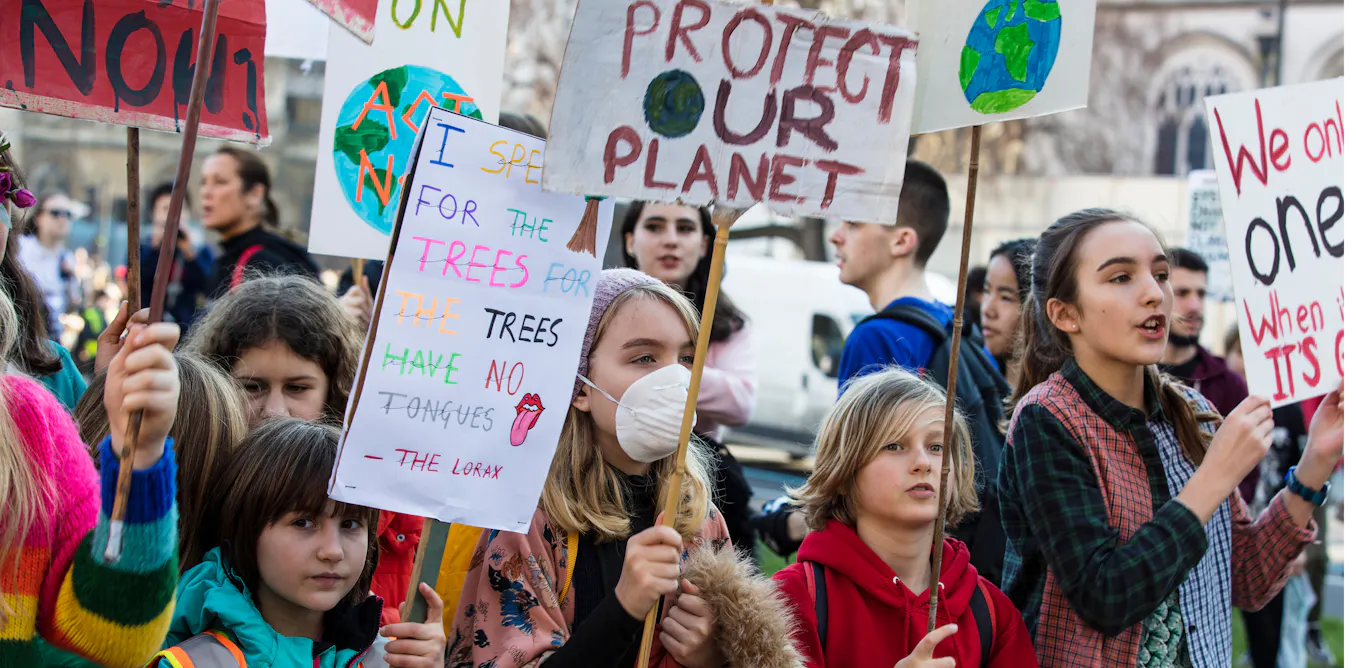
International law does not hold an exhaustive list of rights. There continue to be advocates promoting new rights and new language to existing rights. For example, the Human Rights Council, a body in the United Nations that promotes human rights around the world, began[16] to add human rights language in the context of climate change in 2010. The Council argues that climate change ought to be considered a human rights crisis. This advocacy emerged due to an increasing concern about the effects that climate change has had on the livelihoods of people who are displaced due to climate change-related events.
Overall, human rights advocates continue to pressure states to support existing rights based on international law and also promote new rights based on new challenges that emerge around the world. Although there is no international enforcement mechanism to implement compliance, the frameworks used in these treaties are used by advocates and human rights organizations to remind states of their commitments.