Migrant Smuggling
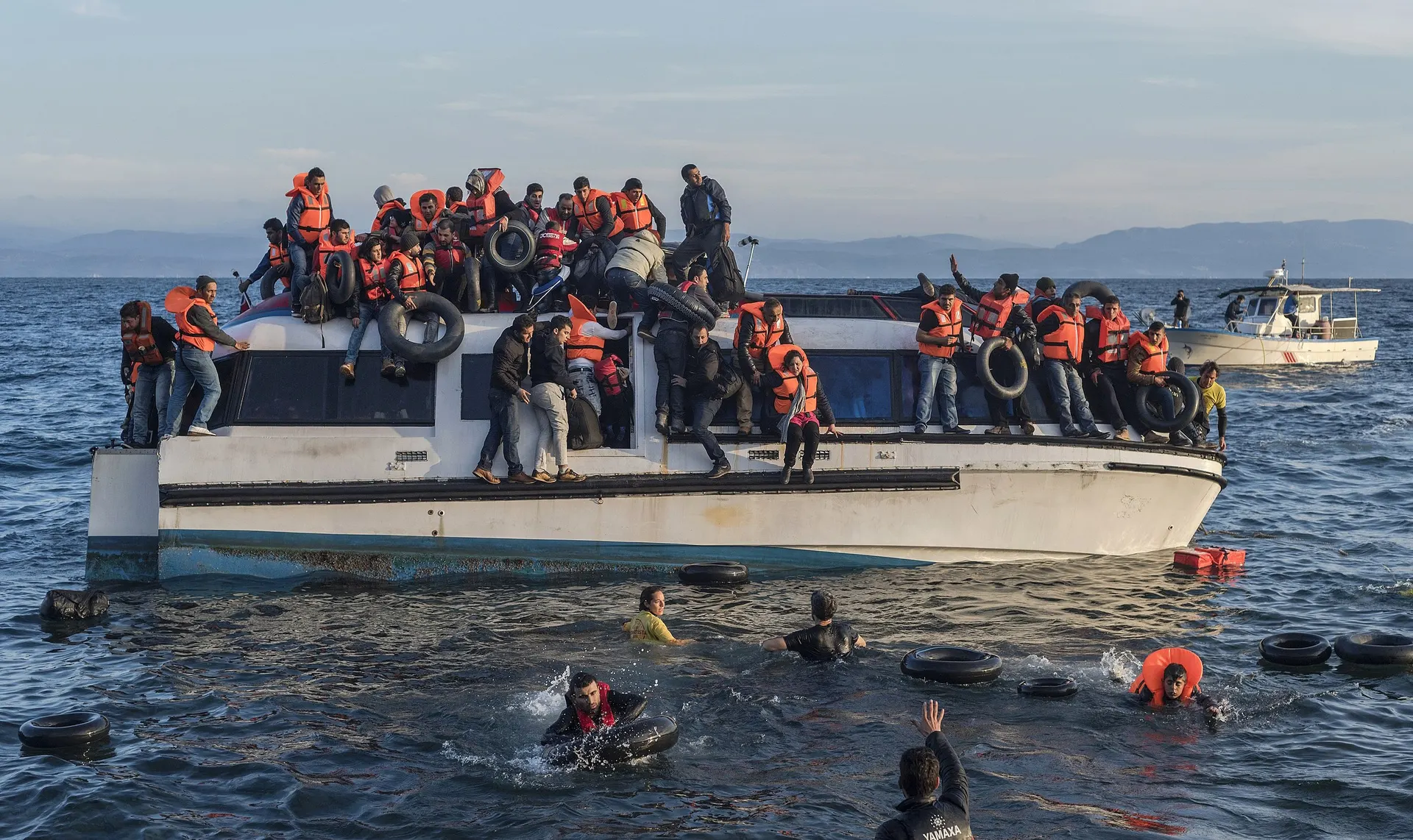
Smugglers are known, especially in Western Europe and North America, as vicious criminals behind enterprises that threaten the security of nation-states and safety of migrants. Several reports tell of the ruthlessness of smugglers, who do not hesitate to abandon people in the desert or leave them on the high seas. Recent studies, however, have criticized popular generalisations and representations connected to the smuggling practice for being supported by little empirical data.
Ggia / Wikimedia Commons
- Published
- Last updated
- Migrant smuggling occurs globally.
- Demand for smuggling largely stems from limited opportunities for legal migration.
- Approaches to fight smuggling have failed to reduce crime and migrant deaths.
Subtopics
Learn more
Subtopic 1
Migrant Smuggling: Brief Overview
Updated 6 October 2026 · Swiatoslaw Wojtkowiak
- Smugglers are known, especially in Western Europe and North America, as vicious criminals behind enterprises that threaten the security of nation-states and safety of migrants. Several reports tell of the ruthlessness of smugglers, who do not hesitate to abandon people in the desert or leave them on
The United Nations’ 2000 Convention against Transnational Organized Crime, and its accompanying Protocol Against the Smuggling of Migrants, defines[1] smuggling as the facilitation, for financial or other material gain, of irregular entry into a country where the migrant is not a national or resident. This definition was introduced to distinguish migrant smuggling from human trafficking – namely, the act of transporting or coercing people in order to benefit from their work or service, typically in the form of forced labour or sexual exploitation.
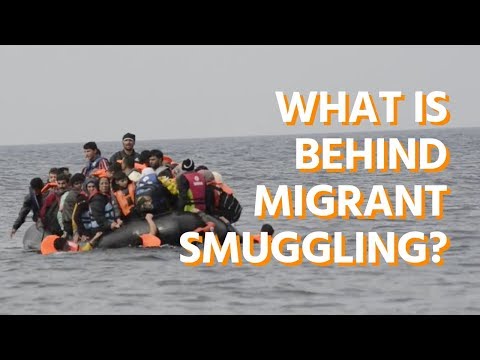
Smugglers have earned a negative reputation, especially in Western Europe and North America, as being evil geniuses behind criminal trades that endanger the very security of nation-states and human predators waiting to exploit migrants’ need for assistance and their dreams for a better life. Several accounts report the recklessness of smugglers who do not hesitate to abandon human beings in the desert or sabotage their own vessels to force authorities to carry out rescues. In April 2015, for example, an overcrowded fishing boat capsized near the coast of Libya, causing the death of most of the eight hundred people stuck onboard. Survivors claimed[2] that smugglers locked most migrants in the hull and middle deck of the three-layered boat, trapping them when the boat sunk. EUROPOL estimated[3] that in 2015 alone, criminal networks involved in the facilitation of irregular migration have had an income of between 3 and 6 billion EUR; meanwhile the United Nations Office on Drugs and Crime claims[4] that in Central America and along the US-Mexico border that they generate 7 billion USD – a low estimate no doubt, according to UN officials.
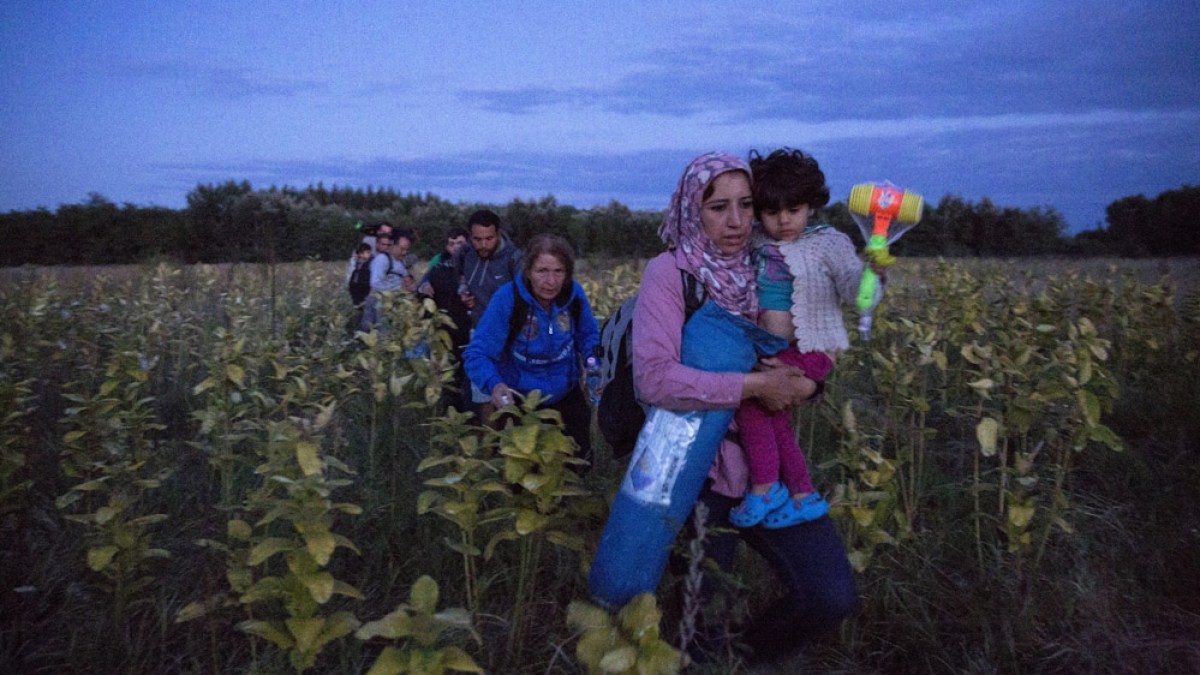
While successful at mobilizing public opinion and policy makers, the idea of growing, powerful and sophisticated criminal networks of smugglers is seldom supported by empirical data. This popularized portrait of human smuggling most often comes from the experiences and data sources of government or law enforcement entities, or from victims whose experiences are so heinous that they can be easily turned into stereotypical cases. Recent empirical studies, however, are now rebutting[5] the argument that smuggling is controlled by highly organized criminal networks and, some, even suggest that smuggling constitutes a grassroots form of support for people fleeing immediate danger and economic hardship. These studies[6] have also questioned typical portrayal of smugglers as predators and migrants as victims. Instead they show that the interactions between migrants and smugglers across the world can also involve a complex set of motivations that include friendship, affective, spiritual and even ideological motivations.
Reports have also widely documented the risks faced by smuggled migrants. Every year,thousands of migrants dieSource: International Organization for Migration. Migrant deaths and disappearances. Migration Data Portal, 2022.during the course of smuggling activities. Along most smuggling routes, migrants perish or are severely injured due to accidents, extreme terrain or weather conditions. Intentional killings by smugglers are also reported,[7] making this illegal trade a very violent business. The reported deaths — most of which occur along maritime smuggling routes — represent only the tip of the iceberg of the human cost that smuggled migrants ultimately suffer. Many migrant deaths are likely to go unreported[8] because they occur at sea or on remote overland routes. It should be noted, however, the dangers faced by smuggled migrants are also a direct consequence of the progressive tightening of border control and increasingly restrictive migration policies along the route. As smugglers are themselves wary of moving on hazardous ground, they seek to limit the chances of apprehension by employinga variety of strategiesSource: United Nations Office on Drugs and Crime. Global Study on Smuggling of Migrants. 2018.– such as setting off on longer and, therefore, more dangerous journeys, choosing unsafe points of crossing, and leaving migrants on their own during the crossing.